Is your wish list for a downtown home driven by privacy, character, and design rather than a water park of amenities? If so, NoHo’s boutique condos may be a perfect fit. You want a quiet arrival, beautiful architecture, and a building that feels personal, without surprises on costs or resale. In this guide, you’ll learn what “boutique” means in NoHo, how these features affect your lifestyle and monthly charges, what to check in due diligence, and how financing and resale typically work. Let’s dive in.
What “boutique condo” means in NoHo
There is no legal definition for “boutique condo.” The term is used in marketing and by brokers to describe smaller, design-forward buildings that emphasize privacy and architecture over large amenity packages. Industry writeups cite a wide range for unit counts, from single digits up to several dozen, so treat it as descriptive, not regulatory. A helpful primer on common pros and cons explains this fluid use of the term and the tradeoffs to consider (overview of boutique condo traits).
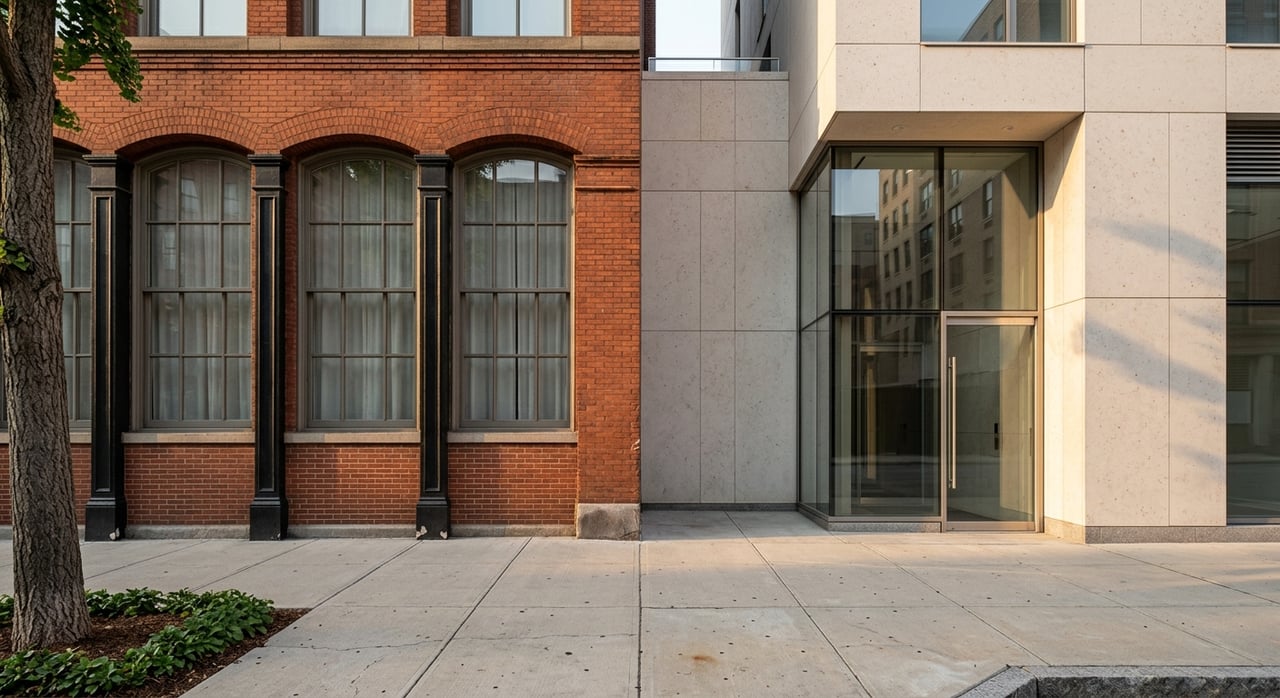
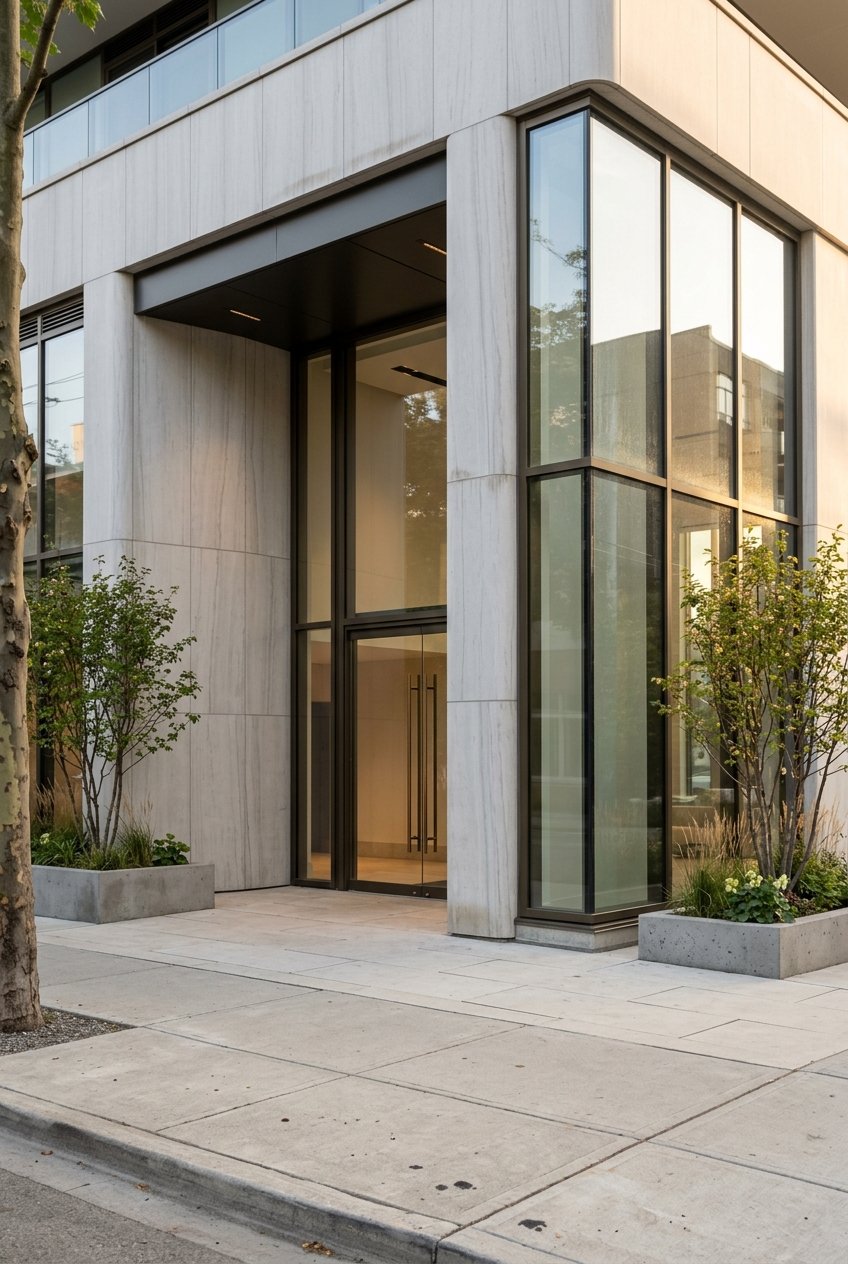
Typical boutique hallmarks in NoHo include floor-through or full-floor plans, keyed or private-entry elevators, limited but curated amenities like a roof terrace or compact gym, and higher per-residence customization. Many buildings are conversions of prewar loft or cast-iron properties, marketed for architecture and discretion rather than amenity scale. A neighborhood-focused explainer about boutique blocks underscores these attributes and how they show up across Manhattan micro-markets (boutique and block-level insights).
NoHo’s historic fabric makes it a natural home for this product. Much of the neighborhood sits inside the NoHo Historic District, with cast-iron facades and former store-and-loft buildings that sponsors often convert into low-density luxury residences. The New York City Landmarks Preservation Commission’s designation report is the authoritative guide to the district’s boundaries and character (NoHo Historic District report).
Privacy and lifestyle tradeoffs
Keyed elevators and floor-through living
A signature privacy feature in many boutique and loft conversions is the keyed or direct-entry elevator. Your elevator opens to your floor or directly into your home with a credential, which raises privacy and perceived security. Listings and market roundups highlight this as a major selling point for buyers who value discretion (why direct-entry elevators matter). Keep in mind that elevator service and maintenance arrangements in small buildings can work differently, which ties into operating costs.
Curated amenities, not resort scale
Boutique buildings often skip hotel-style amenity decks in favor of essentials: a compact fitness room, landscaped roof or garden, bike storage, and sometimes a part-time or virtual doorman. Many buyers prefer this tradeoff. You get elegant shared spaces and fewer crowds, but also fewer on-site staff and lower staffing costs in normal years.
Design-forward addresses on Bond Street
NoHo’s reputation for world-class architecture is well earned. Buildings along Bond Street, like 25 Bond Street and 40 Bond Street, are frequently cited in broker and media writeups for their design pedigrees and low-density layouts. Market features often point to landscaped private outdoor spaces, keyed access, and carefully edited amenities as part of the appeal. For a sense of how architecture elevates these projects, review citywide coverage of design-led condo buildings by notable architects (design-forward condo examples).
Costs, fees, and reserves
Common charges in small buildings
With fewer owners, some recurring costs can be lower. You are not paying for a lap pool, playrooms, and extensive programming. That said, large capital items are shared across fewer households. A major repair or code-driven upgrade can have a bigger per-unit impact.
Special assessments and reserve funds
In small associations, reserves matter. Thin reserves often translate to special assessments when elevators, roofs, or facades need work. New York State’s Attorney General urges buyers to review budgets, reserve notes, and sponsor subsidies, and to read the Special Risks and Sponsor Rights sections of the offering plan with counsel (AG guidance on condo due diligence). Prioritize buildings with clear reserve studies and credible multi-year capital plans.
Sponsor control and unsold units
If the sponsor retains a large share of units, they may hold board control longer and influence operations and expenses. High unsold inventory also affects comps and lender appetite. You and your attorney should verify sponsor rights, any subsidies, and completion guarantees in the offering plan and amendments (how to read sponsor rights in plans).
Resale outlook in NoHo
Boutique condos in a high-demand micro-market like NoHo can command a premium for architecture and privacy. The flip side is liquidity. Because each building is unique, comps are more building-specific and the buyer pool can be narrower than for full-service towers. Industry coverage notes that small developments often require careful pricing and network-driven marketing for resales (market commentary on boutique liquidity). If you plan a 3 to 5 year hold, price strategy and presentation become especially important.
Financing reality check
Some loan programs evaluate the condo project itself. FHA and other agency-backed options have rules for owner-occupancy, reserves, and delinquency thresholds. If a building is not on an approved list, you may need a single-unit approval or a different loan product. Your lender should confirm the building’s eligibility early in the process (how FHA condo approvals work). In boutique buildings with limited sales history, be prepared for a more detailed underwriting review.
Due diligence checklist for NoHo boutique condos
Use this list to structure your pre-contract information requests and attorney review. The goal is simple: confirm what you are buying, what it costs to operate, and what risks could trigger future assessments.
Core documents to request
- Offering plan, declaration, bylaws, house rules. Read the Special Risks, budget and reserve notes, Sponsor Rights, and CO/TCO language with counsel (AG buyer guidance).
- Recent board minutes and financials, ideally 2 to 3 years. Scan for repeated assessments, rising common charges, or large pending projects (AG buyer guidance).
- Reserve study and current reserve balance. Thin reserves are a red flag in small buildings (AG buyer guidance).
- Certificate of Occupancy or Temporary Certificate of Occupancy, plus DOB filings. If closings occur under a TCO, ask what work remains and what protections or escrows exist (DOB’s TCO overview).
- Insurance declarations and master policy details. Confirm coverage scope and any owner responsibility for deductibles (AG buyer guidance).
- Sponsor status and rights. Verify unsold units, any sponsor debt or guarantees, and whether common-charge subsidies are in place and when they end (sponsor rights overview).
- Vendor contracts and any litigation. Focus on elevator, management, and staff contracts, since small budgets are sensitive to long-term agreements (AG buyer guidance).
Where to verify records and conditions
- NYC Department of Buildings. Check job filings, open permits, violations, and CO/TCO status. The DOB outlines key limits of TCOs and why CO timing matters (DOB’s TCO overview).
- NYC Landmarks Preservation Commission. Confirm if the property sits inside the NoHo Historic District and whether exterior changes require LPC approval. This affects costs and timelines for facade, window, and rooftop work (NoHo Historic District report).
- ACRIS and county records. Search for mortgages, liens, or judgments that impact the condo or common elements.
Quick red flags to spot fast
- Very low reserves or repeated special assessments within 3 to 5 years (AG buyer guidance).
- Sponsor keeps broad amendment or transfer rights, or retains many unsold units (sponsor rights overview).
- Early closings under a TCO with significant promised work and limited protections (DOB’s TCO overview).
- Significant open DOB violations or recent facade work under Local Law requirements, which can increase capital risk.
- If in a landmark district, any exterior work will need LPC sign-off, which can extend timelines and raise costs (NoHo Historic District report).
NoHo market snapshot
NoHo is a tightly held, high-demand micro-market. As of March 15, 2026, StreetEasy showed an average around 3,142 dollars per square foot and a median listing price near 4.25 million dollars on its neighborhood page. For the freshest numbers and active examples, review StreetEasy’s NoHo neighborhood snapshot before you tour.
What this means for you: pricing is highly building-specific, and presentation matters. In a boutique building, floor plan uniqueness, outdoor space, ceiling heights, elevator access, and renovation pedigree can shift value meaningfully even within the same line.
How The W Team helps you buy smarter
You want rigor, speed, and discretion. Our process aligns with boutique product:
- Data-led valuation. We analyze comps at the building and micro-block level, highlight liquidity patterns, and frame price against unique architectural features and reserve posture.
- Concierge logistics. We arrange curated, private showings on your schedule, with a private driver when needed, and coordinate key vendors for early diligence.
- Strategic due diligence. We structure document requests, flag reserve and TCO items, and liaise with your attorney and lender so you get clarity before you commit.
- Multilingual counsel. We support clients in Mandarin, Spanish, and English and handle cross-border logistics with care and confidentiality.
Ready to see the right shortlist and move with certainty? Request a private consultation with The W Team.
FAQs
What is a “boutique condo” in NoHo and how is it defined?
- There is no legal definition; it generally means a smaller, design-forward condo with low unit counts, privacy features, and curated amenities, especially common in NoHo’s historic loft buildings (boutique overview).
How do keyed or direct-entry elevators affect living and costs?
- They improve privacy and arrival experience and are a selling point, but elevator maintenance and service in small buildings can impact budgets more per owner (keyed elevator context).
What documents should I review before buying in a small condo?
- Review the offering plan, financials, reserve study, board minutes, insurance, vendor contracts, and CO/TCO status with your attorney, focusing on reserves and sponsor rights (AG checklist; DOB TCO guide).
How does landmark status affect renovations in NoHo?
- If the property is in the NoHo Historic District, exterior changes visible from public streets typically require LPC approval, which can lengthen timelines and increase costs (NoHo Historic District report).
Can I use FHA financing for a boutique condo in Manhattan?
- Possibly, but the building must meet project-level criteria or qualify for single-unit approval; confirm eligibility with your lender early (FHA condo approval basics).
Are boutique condos better for resale than full-service towers?
- They can command a scarcity and architecture premium in NoHo but may have a narrower buyer pool and slower liquidity, so pricing and marketing are key (market commentary).