Selling a Tribeca loft is rarely a simple list-it-and-wait process. In a neighborhood where median sale prices sit around $3.5 million and renovated lofts can command some of the highest price per square foot figures in New York City, small decisions can have very large financial consequences. If you want to protect value, reduce surprises, and move from prep to closing with more control, the process starts well before your listing goes live. Let’s dive in.
Why Tribeca loft sales need a plan
Tribeca is a premium, architecture-driven market defined by cast-iron lofts, cobblestone streets, and a mix of converted warehouse buildings and newer residences. That setting creates real demand, but it also creates a more nuanced selling process because no two lofts are exactly alike.
StreetEasy reports a median sale price of $3.5 million in Tribeca and median days on market of 55 days. In broader Manhattan, homes were averaging 64 days on market in March 2026, while the top third of homes by asking price saw an 11.8% increase in new contracts. That tells you demand is active, especially at the upper end, but buyers are still selective.
Pricing discipline matters too. Miller Samuel’s Q4 2025 Manhattan resale report showed an average 5.2% discount from last list price, with condos at 5.9% and co-ops at 4.0%. At Tribeca price points, a 5% miss can translate into a six-figure concession.
Start prep earlier than you think
For most Tribeca loft sellers, a six- to twelve-month runway is a smart timeline. That gives you enough room to handle valuation, repairs, styling, paperwork, and any building-specific issues without rushing decisions.
A rushed launch can cost you leverage. In a loft market, buyers notice condition, layout flow, light, and finish quality immediately, so the best outcomes usually come from thoughtful sequencing rather than speed alone.
Focus on valuation first
Before you paint, stage, or photograph anything, you need a realistic view of where your loft fits in the current market. In Tribeca, bedroom count can be less useful than it sounds because true loft layouts often do not fit neatly into standard comparison buckets.
Miller Samuel notes that bedroom breakouts are skewed by the loft market, which makes the broader "all sales" benchmark more useful than narrow bedroom-by-bedroom comparisons. In practice, that means your pricing strategy should account for the full context: building type, scale, renovation level, ceiling height, natural light, finishes, and how your loft compares with current competing inventory.
Use a pre-listing condition review
New York’s Property Condition Disclosure Act says sellers are not required to inspect their property or check public records. Still, that does not mean skipping a pre-listing review is the best move.
A pre-inspection or condition walk-through can help you spot issues before a buyer uses them as negotiating leverage. In older downtown buildings, common red-flag areas include water damage, flooding history, flood-zone status, mold, asbestos, pests, plumbing, HVAC, smoke detectors, hot water equipment, and signs of fire or smoke damage.
Prep your loft for a premium first impression
Tribeca buyers respond to volume, texture, and light. Your launch should make those qualities feel immediate and effortless from the first photo through the final showing.
Because demand is active but not frenzied, polished presentation matters more than ever. A clean first impression can help protect pricing power and shorten time on market.
Prioritize repairs and maintenance
Handle visible issues before the listing goes live. Even relatively small defects can raise outsized concerns in a high-value transaction, especially when buyers are already preparing for significant closing costs.
Focus first on anything that affects confidence in the property’s condition. That may include patching and painting, refinishing surfaces, servicing HVAC or plumbing components, replacing dated smoke detectors, and addressing any evidence of leaks or moisture.
Declutter and stage with intention
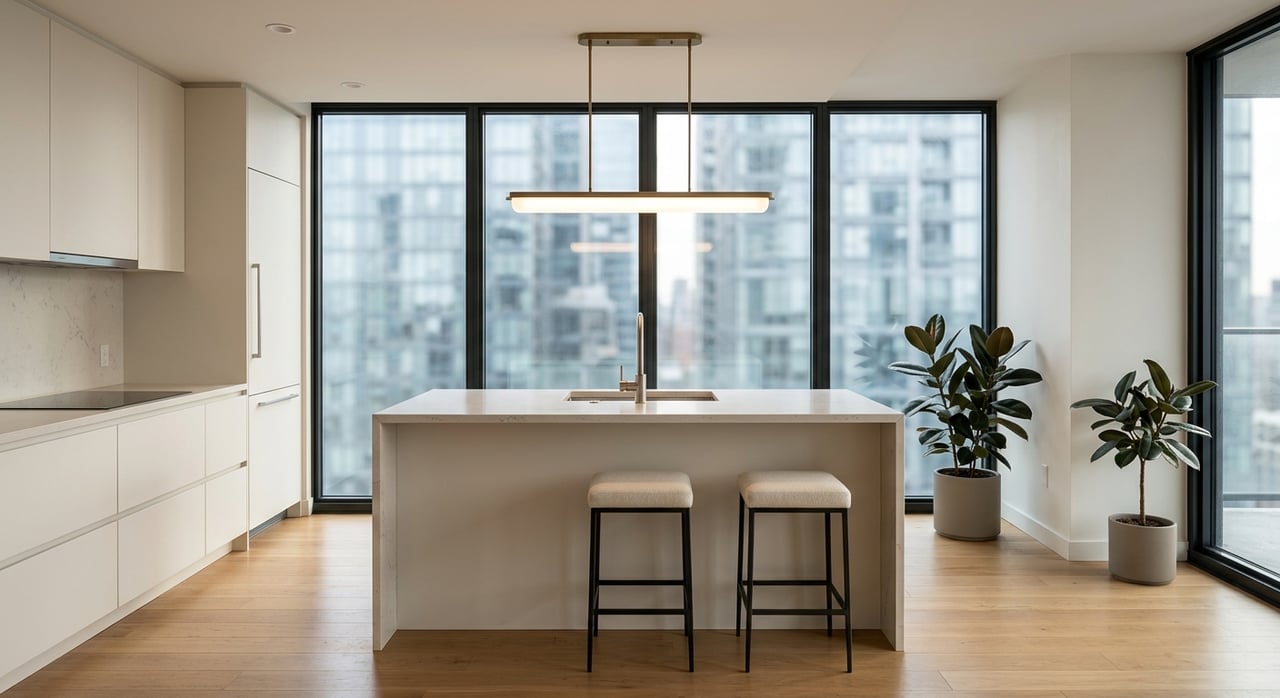
A loft should feel open, calm, and functional. The goal is not to erase personality completely, but to make scale, layout, and natural light easy for buyers to understand.
In Tribeca, that often means editing furniture, softening overly personal design choices, and creating clean sightlines. If your loft has architectural character, staging should support it rather than compete with it.
Get photo-ready before the market peaks
StreetEasy’s seasonality research says March is the best month for sellers to list. Spring shopper inquiries are 36.5% higher than October through December, spring listings sell about 27 days faster, and homes listed in March have a 4.1% higher chance of selling above ask.
Another StreetEasy analysis found that buyers see the most listings in May and the most open houses in June. If you want to capture the spring wave, your loft should be fully repaired, staged, photographed, and ready before that traffic builds.
If you miss spring, early fall can still work. But StreetEasy notes that homes listed after Labor Day sit 14 days longer than comparable homes listed at other times.
Gather documents before you list
In Tribeca, paperwork is not just a closing task. It is part of pre-listing strategy.
A complete document file can reduce delays, support buyer confidence, and make negotiations cleaner. It also helps you identify issues that may affect timing or pricing before they become obstacles.
Know what applies to your property type
The New York Property Condition Disclosure Statement matters most for covered fee-simple one- to four-family sales. Condo units and co-op apartments are excluded from the statute’s definition of residential real property, so many Tribeca loft sales will focus more on building documents than on the state disclosure form.
The current PCDS form is required beginning July 1, 2025, for covered sales. If your property falls into that category, the form must be delivered before contract signing.
Check lead disclosure timing
If your loft is in pre-1978 housing, federal lead disclosure rules may apply. Sellers must disclose any known lead-based paint or lead hazard information before contract, provide the lead-hazard pamphlet, and give the buyer a 10-day period to test or obtain a risk assessment.
This timing matters because it should be built into your contract preparation process. If handled late, it can slow momentum at the exact point when you want the deal moving forward.
Confirm whether Loft Board rules apply
Some Tribeca loft buildings have unique status under the Loft Law. If your building is still an interim multiple dwelling under Loft Board jurisdiction, a Loft Board-approved sales record form is required, and the filing is due within 30 days of the sale.
Late filing can trigger a civil penalty. This is not relevant to every loft, but it is exactly the kind of building-level detail that should be confirmed before you launch.
Time your listing around buyer demand
The strongest listing window for many Tribeca sellers is March through May. That period tends to align with stronger inquiry volume, faster absorption, and better conditions for a polished market debut.
The key is not just choosing a month. It is arriving at that month fully prepared.
Launch when your loft is truly ready
If your staging, photography, or paperwork is incomplete, waiting can be the better financial decision. In a premium market, a half-ready launch often weakens your first impression, and the first impression is the one buyers remember.
With upper-tier Manhattan demand still active, a strong debut can create better urgency than repeated price adjustments later. Presentation and timing work best when they are coordinated, not treated as separate steps.
Negotiate with closing costs in mind
Offer strategy in Tribeca should always account for the full economics of the transaction. Buyers are often calculating more than purchase price, and that affects how they evaluate room to negotiate.
New York City’s Real Property Transfer Tax is filed through ACRIS. For residential Type 1 transfers, the city rate is 1% up to $500,000 and 1.425% above that, and returns must be filed within 30 days after transfer.
The buyer’s side also matters. New York’s mansion tax is a 1% buyer tax on residential transfers of $1 million or more, which is especially relevant in Tribeca, where median sales are already far above that threshold. Even though the seller does not pay that tax, it can shape the buyer’s net sheet and bargaining posture.
Protect value during negotiation
When a buyer asks for credits or a price reduction, the real question is whether the request reflects a meaningful issue or avoidable pre-listing slippage. This is why early repairs, clean documentation, and disciplined pricing matter so much.
In a market where average discounts are already measurable, your leverage often comes from removing uncertainty before the buyer ever writes an offer. The cleaner the package, the easier it is to defend value.
Prepare for board review and closing
If you are selling a co-op loft, board timing should be part of your planning from the start. Administrative delays can affect your calendar just as much as negotiations do.
Under New York City Local Law 58 of 2026, eligible co-ops with 10 or more units will be required to acknowledge receipt of a complete application within 15 days and issue a consent decision within 45 days, with one 14-day extension possible without purchaser consent. The law takes effect 180 days after January 29, 2026, so sellers targeting a late-2026 or 2027 sale should assume those timing rules may apply.
Treat the board package as part of the sale
A complete, accurate board package is not just administrative paperwork. It is part of keeping your transaction on track.
If the package is incomplete, timelines can stretch and buyer confidence can weaken. In a high-value sale, efficiency and precision support the same goal: preserving momentum through closing.
A practical Tribeca loft selling checklist
If you want a clean path from pre-listing prep to closing, focus on this sequence:
- Start planning 6 to 12 months before your target listing window
- Establish a data-driven valuation based on current Tribeca and Manhattan market context
- Review condition issues early, including moisture, systems, and older-building concerns
- Complete repairs and cosmetic improvements before photography
- Declutter and stage to highlight light, scale, and layout
- Assemble building and property documents before launch
- Confirm whether PCDS, lead disclosures, or Loft Board rules apply
- Aim for a spring launch when possible, with early fall as a secondary window
- Negotiate with transfer taxes and buyer costs in mind
- Prepare co-op board materials early if board review will be required
For a Tribeca loft, details are not side issues. They are often the difference between a smooth, well-defended sale and an expensive, avoidable reset.
If you are thinking about selling in Tribeca, a measured, fully prepared strategy can protect both your time and your outcome. To request a private consultation, connect with The W Team.
FAQs
When should you start preparing to sell a Tribeca loft?
- A practical timeline is 6 to 12 months before listing so you have time for valuation, repairs, staging, photography, and document collection, with March through May often the strongest launch window.
Do you need a pre-inspection before selling a Tribeca loft?
- No law requires a pre-inspection, but it can help uncover issues early so buyers are less likely to use condition findings as price leverage later.
Does a Tribeca loft sale require special paperwork?
- Often yes. The paperwork depends on whether the property is fee-simple, a condo, a co-op, in pre-1978 housing, or in a building subject to Loft Board rules.
Does the New York Property Condition Disclosure Statement apply to Tribeca lofts?
- Usually not for condos and co-ops, because those are excluded under the statute, but it does apply to covered fee-simple one- to four-family sales and must be delivered before contract signing.
What taxes matter most when selling a Tribeca loft?
- New York City Real Property Transfer Tax is a key seller-side cost, and the buyer’s mansion tax on sales of $1 million or more can also influence negotiations in Tribeca’s price range.
How long can a co-op board take in a Tribeca sale?
- For eligible co-ops covered by New York City Local Law 58 of 2026, the board must acknowledge a complete application within 15 days and issue a decision within 45 days, with one 14-day extension possible without purchaser consent.