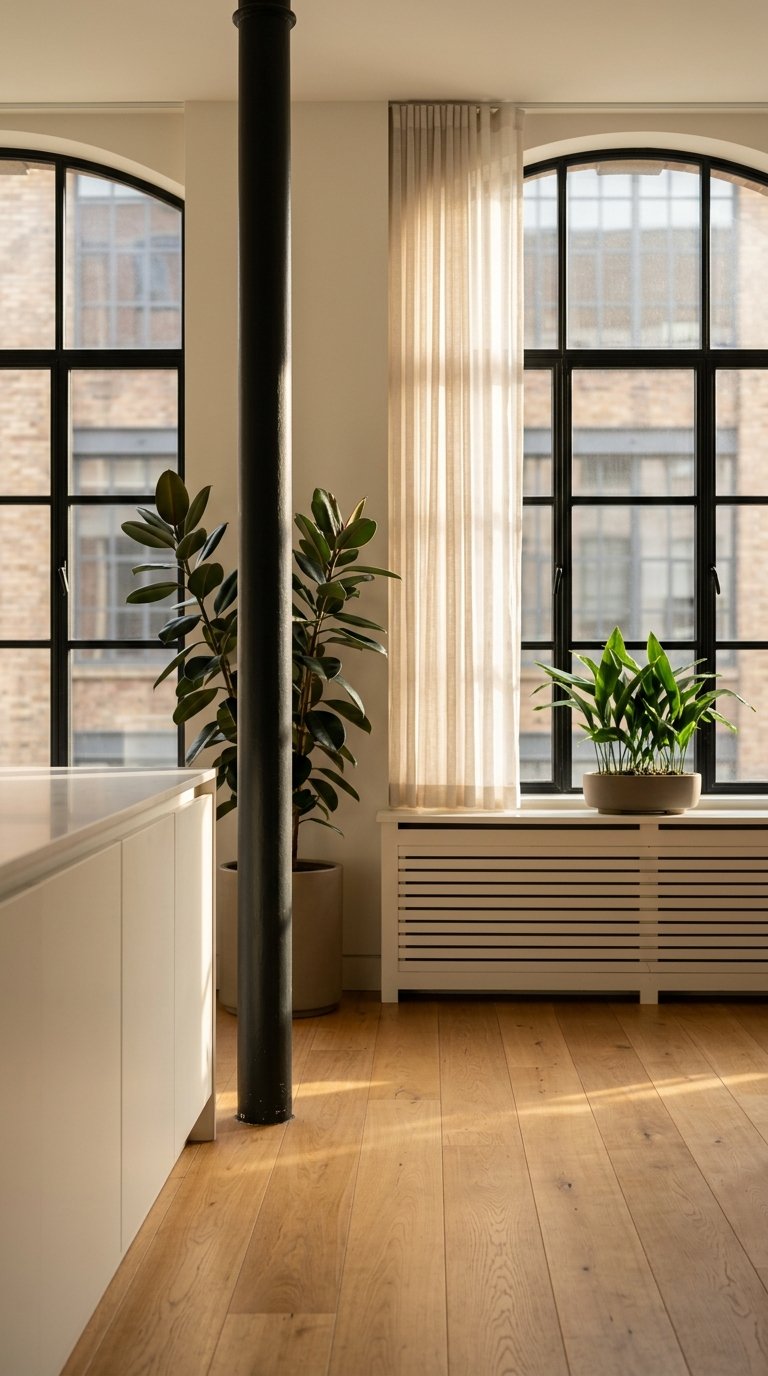
Wondering whether NoHo feels like a true neighborhood or more like a stylish downtown landing pad? If you are considering a move here, that question matters because daily life in NoHo is shaped as much by its compact footprint and historic streetscape as by its dining, wellness, and transit access. Here is what you can realistically expect from living in NoHo day to day, from your morning coffee run to your evening plans. Let’s dive in.
NoHo feels compact and layered
NoHo is small in physical size, which is part of what makes daily life here feel efficient. According to the NoHo BID, the core area runs roughly from the north side of Houston Street to the southern edge of Astor Place, and from the east side of Mercer Street to the east side of Lafayette Street.
That compact layout creates a walk-first rhythm. Many errands, meetups, and routine stops can happen within a few blocks, which gives the neighborhood a close-in feel even though it sits in the middle of downtown Manhattan.
Historic streets define the atmosphere
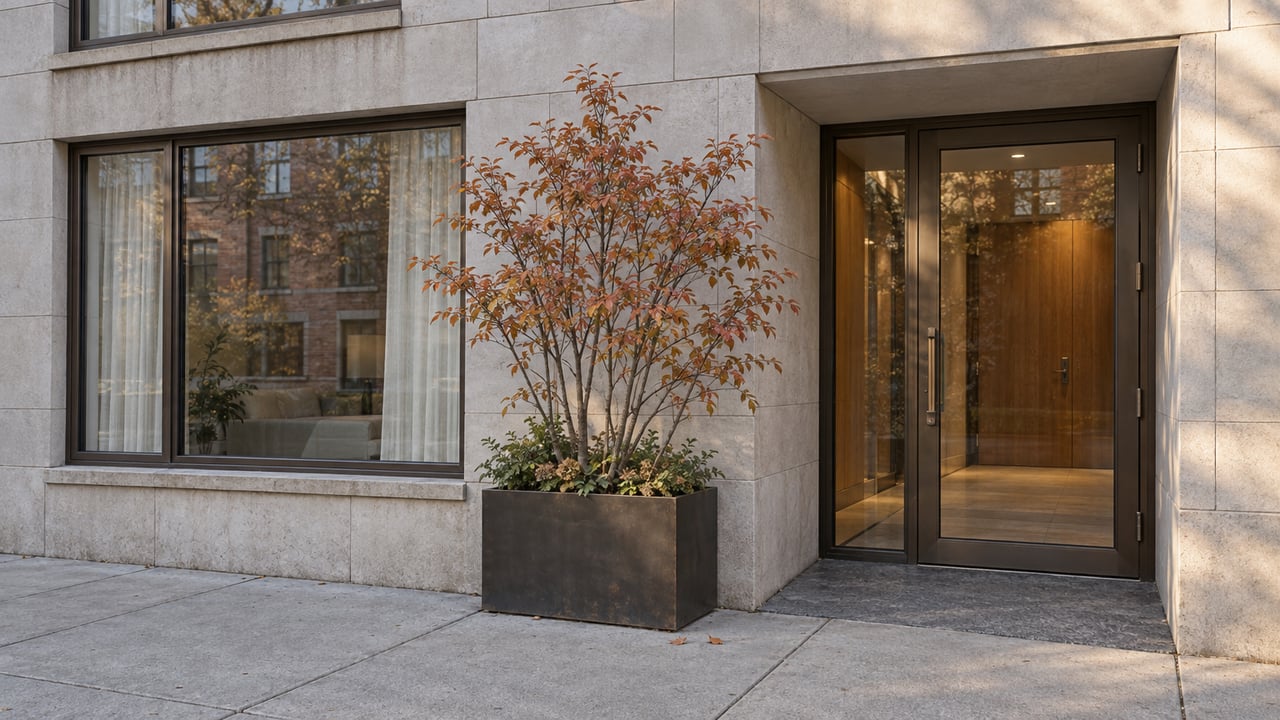
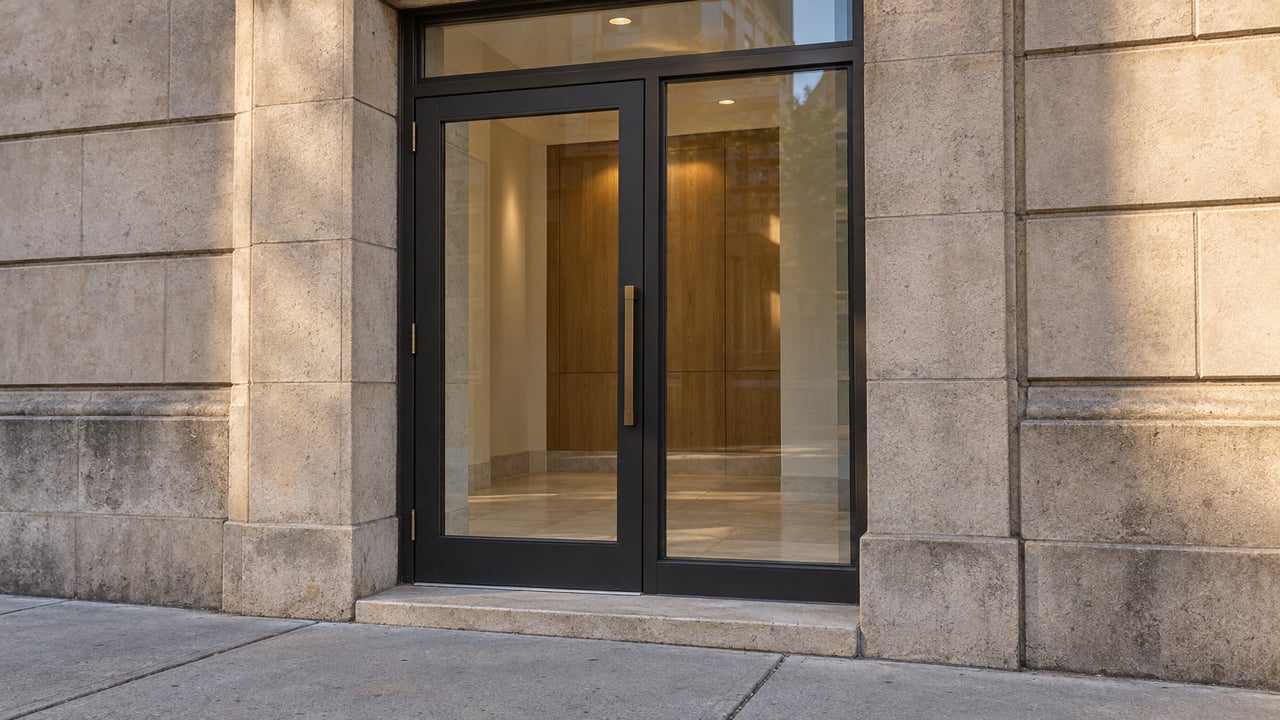
A big part of NoHo’s character comes from its historic districts. The neighborhood includes the NoHo Historic District, the NoHo Historic District Extension, and the NoHo East Historic District, which helps explain why the streetscape feels unusually intact.
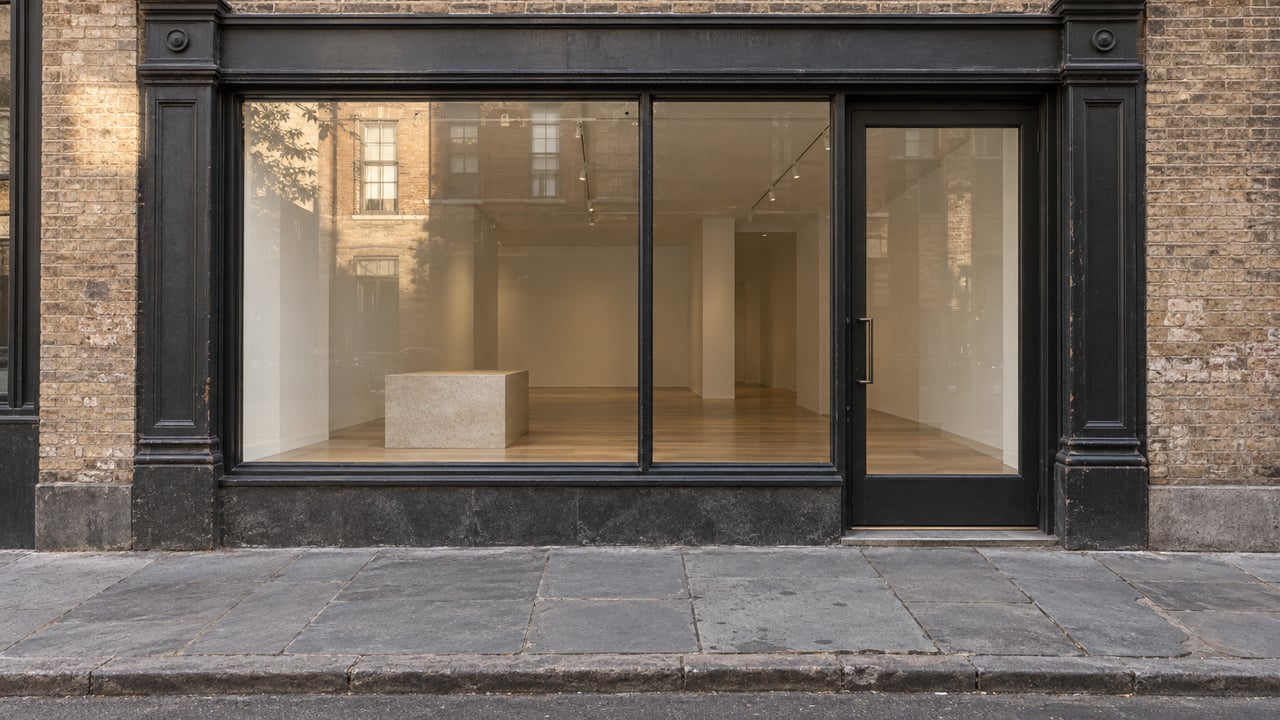
The area evolved over time from a private residential enclave into a mixed-use district. Today, that history shows up in early rowhouses with storefronts, store-and-loft buildings, and cast-iron-fronted structures that create a distinct downtown look.
In practical terms, that means your day-to-day setting feels architectural and textured rather than generic. Residential life often sits above or behind retail spaces, so the neighborhood reads as active at street level with quieter living spaces layered above.
Expect a loft-forward housing feel
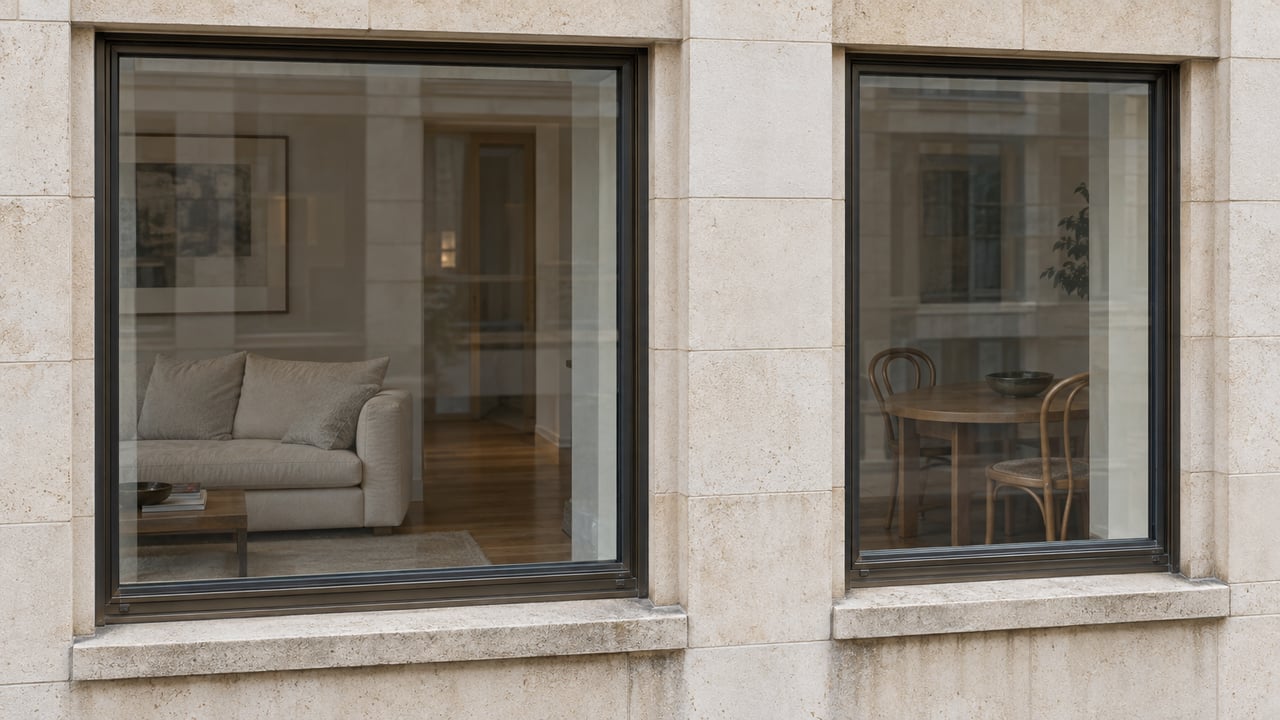
If you are drawn to loft living, NoHo often delivers that visual and spatial appeal. The neighborhood’s built form is closely tied to historic loft buildings and mixed-use properties, which shapes how many homes feel and function.
This is not a neighborhood that presents itself as a quiet residential enclave first. It tends to appeal to buyers who want preserved downtown architecture, nearby amenities, and a more integrated live-work-play environment.
Landmark rules affect ownership
NoHo’s preserved look comes with added rules for exterior changes. The Landmarks Preservation Commission says designated properties require advance approval for alterations, reconstruction, demolition, and new construction affecting protected buildings.
The NoHo BID also notes that in the historic district, the whole property, including the sidewalk, is considered part of the designation. For owners, that means exterior updates can be more regulated than they would be in many newer Manhattan neighborhoods.
That tradeoff is worth understanding early. You get a neighborhood with a highly consistent visual identity, but you may have less flexibility when it comes to modifying a building’s exterior elements.
Dining is built into daily life
One of NoHo’s biggest day-to-day advantages is how easy it is to eat well close to home. The NoHo Dining Guide describes the neighborhood as a hub for dining and nightlife, with cafes, restaurants, bakeries, takeout options, patios, and late-night spots.
That variety supports more than special occasions. It means your normal routine can include grabbing coffee nearby, meeting someone for lunch without planning a long trip, or making a dinner reservation within walking distance.
Examples listed by the BID include Lafayette Grand Cafe and Bakery, Il Buco Alimentari & Vineria, Fish Cheeks, Indochine, Jean's, Pura Vida, The Nines, Temple Bar, and The Library at The Public. The broader point is not just name recognition. It is the convenience of having many dining formats packed into a very small area.
Mornings are easy on foot
In a neighborhood like NoHo, mornings tend to start locally. With coffee shops, bakeries, and casual food options nearby, it is easy to begin the day on foot rather than with a commute-first mindset.
That small shift can shape how the neighborhood feels over time. When breakfast, coffee, and quick errands are all nearby, your day often starts with less friction.
Evenings can stay local
NoHo also supports evenings that do not require much planning. Whether you want dinner, a drink, or a late-night stop, the neighborhood offers enough variety that staying close to home can still feel interesting.
For many buyers, that is part of the appeal. You do not need to cross town to create a full evening, which adds convenience without making the area feel overly isolated.
Arts and nightlife add texture
NoHo’s social life is not limited to restaurants. The BID also highlights theater and gallery-related activity, which adds another layer to daily life in the neighborhood.
Local venues include The Public Theater, Gene Frankel Theater, La MaMa, and Bowery Poetry Club. That means an evening in NoHo can easily combine dinner with a performance or cultural stop nearby.
This matters because it changes the feel of the neighborhood after dark. Instead of revolving around only one type of nightlife, NoHo offers a mix of dining, bars, and arts-oriented destinations.
Wellness is a real part of the routine
The NoHo BID explicitly describes the area as a wellness district, and the local business mix supports that claim. For such a compact neighborhood, the concentration of fitness and wellness options is notable.
That gives you flexibility in how you structure your day. You can fit in a workout, a class, or a recovery appointment without adding much travel time.
Fitness options are unusually dense
The BID’s fitness guide includes Barry's, Blink Fitness, CrossFit NoHo, Crunch, Life Time NoHo, The Studio, CorePower Yoga, TMPL, Cyclebar, SoulCycle, Rumble Boxing NoHo, and The Bar Method.
That range supports both traditional gym routines and class-based habits. Whether you prefer strength training, cycling, yoga, boxing, or a broader club setup, NoHo offers several ways to keep that routine close to home.
Spa and self-care are close by
The neighborhood’s spa guide is just as varied. It includes Haven, Heyday, Great Jones Spa, FaceGym, Maternal Massage and More, ORA, Il Girasole, Brow Zone, and Lore Bathing Club.
In daily life, that means wellness can be practical rather than occasional. A facial, acupuncture session, sauna visit, or quick reset can fit between meetings, errands, or dinner plans without turning into a cross-city commitment.
Getting around is straightforward
NoHo works best as a walk-first neighborhood with strong transit backup. Key subway access points at the neighborhood’s edge include Astor Place on the 6 train, Bleecker Street on the 6, and Broadway-Lafayette Street on the B, D, F, and M lines.
MTA neighborhood maps also show local bus service around the area. Together, that gives you multiple ways to move through Manhattan and beyond, while keeping local movement simple.
The subway extends the neighborhood
Because NoHo is compact, transit matters most when your day stretches beyond the immediate area. The nearby stations make it easier to reach Midtown, Uptown, Downtown, or Brooklyn-bound routes without relying on a single line.
For many residents, that creates a useful balance. You can live locally most of the time, then expand outward efficiently when work, meetings, or social plans require it.
The streets often feel maintained
The NoHo BID says it provides sanitation, graffiti removal, public safety, landscaping, and business support. That helps explain why the neighborhood can feel polished despite its age and heavy daily use.
For residents, this shows up in the street-level experience. A well-maintained public realm can make routine walks, errands, and evenings out feel more orderly and predictable.
What daily life in NoHo really feels like
The simplest way to think about NoHo is this: it is a preserved downtown loft district with a strong amenity stack. You are not choosing it for a secluded residential atmosphere. You are choosing it for architecture, convenience, culture, and the ability to do a lot within a few blocks.
A typical day might look like coffee and breakfast on foot, a workout or spa appointment nearby, work or meetings elsewhere in the city, and then dinner or theater back in the neighborhood. That combination is what gives NoHo its practical appeal.
For buyers, the key question is fit. If you want historic character, easy access to dining and wellness, and strong transit in a compact downtown setting, NoHo offers a distinctive lifestyle that is hard to replicate.
If you are evaluating whether NoHo aligns with your goals, The W Team can help you assess the neighborhood with the same care, discretion, and market rigor we bring to every Manhattan search.
FAQs
What is day-to-day living in NoHo like?
- Day-to-day life in NoHo is walk-first and amenity-rich, with easy access to dining, fitness, wellness, theater, and nearby subway service within a compact downtown footprint.
What does the housing feel like in NoHo?
- NoHo has a loft-forward, mixed-use feel shaped by historic rowhouses, store-and-loft buildings, and cast-iron-fronted structures, with residential spaces often located above or behind storefronts.
How easy is it to get around from NoHo?
- NoHo has access to nearby subway stations including Astor Place, Bleecker Street, and Broadway-Lafayette Street, plus local bus service, which supports both local errands and trips across the city.
What kinds of amenities are common in NoHo?
- Common amenities around NoHo include cafes, bakeries, restaurants, bars, theaters, gyms, yoga studios, spas, and other wellness-focused businesses.
What should buyers know about owning in NoHo historic districts?
- Buyers should know that landmarked properties may require advance approval for certain exterior alterations, reconstruction, demolition, or new construction affecting protected buildings.