If you picture stately stoops, leafy blocks, and a quick walk to a world-class park, Park Slope likely comes to mind. You want a home that pairs character with daily convenience, plus a neighborhood rhythm that feels easy to live in. In this guide, you will learn how Park Slope’s brownstones, amenities, schools, transit, and housing choices fit together so you can decide if it matches your priorities. Let’s dive in.
Park Slope at a glance
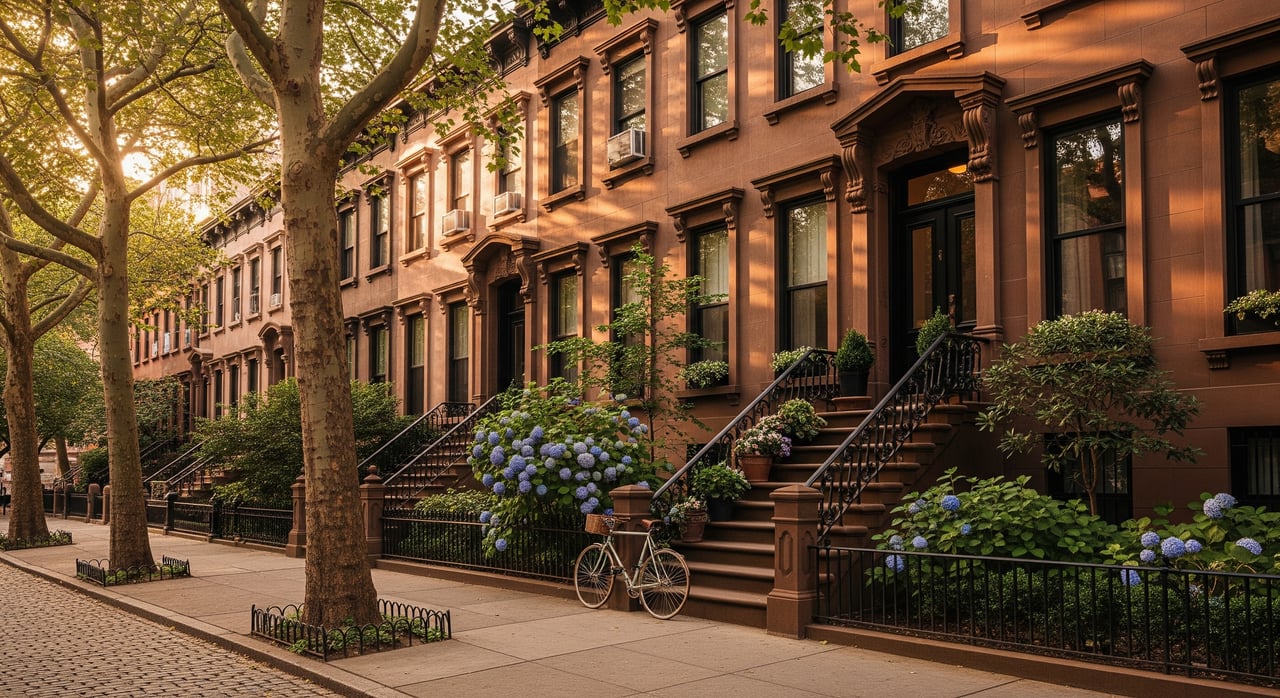
Park Slope sits just west of Prospect Park in Brooklyn. You will find long rows of 19th-century townhouses, tree-lined streets, and active retail corridors on 5th and 7th Avenues. Many blocks fall within local historic districts, which helps preserve façades, stoops, and overall block character.
Prospect Park is the neighborhood’s daily-life anchor. You can step into miles of paths, the Long Meadow, playgrounds, ball fields, and seasonal ice skating. The park’s events and classes add structure to weekdays and weekends. To preview programs and maps, explore the Prospect Park amenities and programming.
Brownstones 101
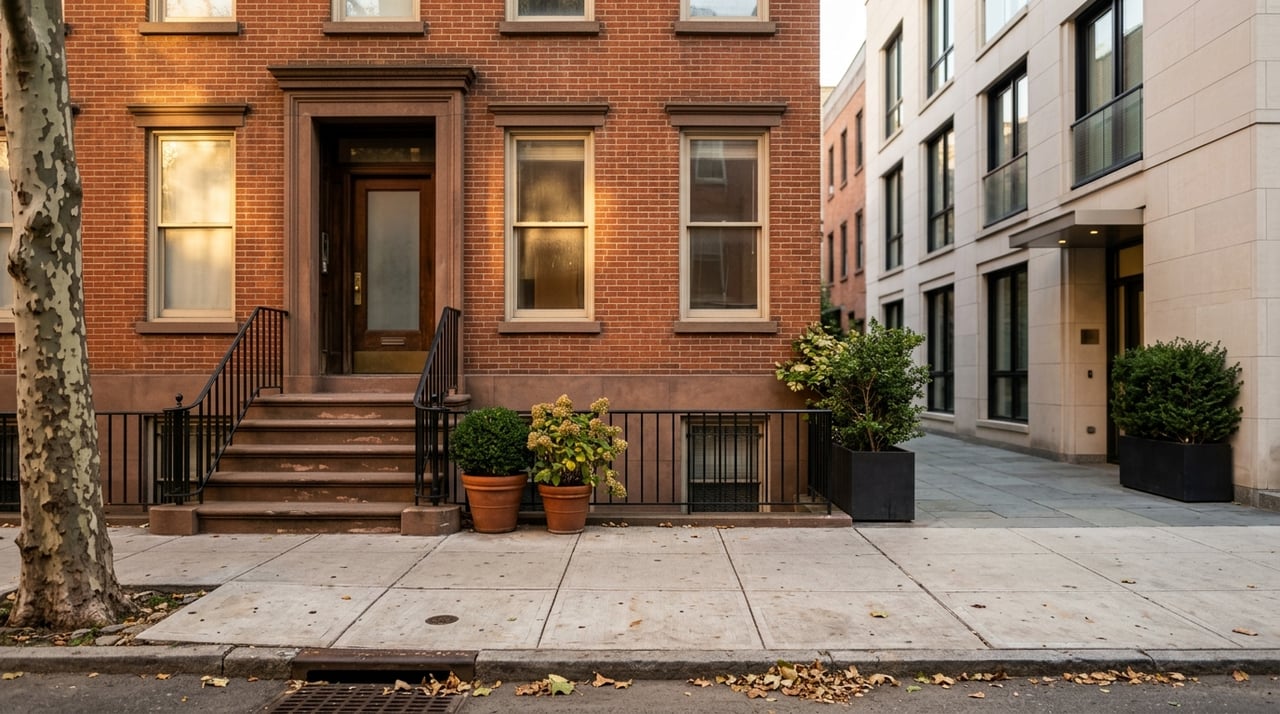
Park Slope’s signature home is the brownstone, a narrow 19th-century rowhouse with a masonry façade and a high stoop. Many have been updated inside, though layouts and finishes vary widely. Some are single-family, others are subdivided into rentals, condos, or co-ops.
Historic districts and permits
Large sections of Park Slope lie within NYC Landmarks Preservation Commission historic districts. Exterior changes, like windows, cornices, and masonry work, require permits and adherence to specific guidelines. That can extend timelines and affect costs, especially for façade restorations or energy retrofits that alter the exterior. You can review rules and maps through the Landmarks Preservation Commission guidance.
Renovation realities
Older rowhouses often come with older systems. If you are buying a townhouse, plan for a detailed inspection of plumbing, electrical, HVAC, and insulation. Check for basement moisture, ventilation quality, and any combined units. For apartments, review building maintenance, reserves, and policies if it is a co-op or condo. Permit history matters in both cases.
Housing types and layouts
You will find three broad options in Park Slope:
- Townhouses and brownstones, either single-family or subdivided.
- Pre-war elevator and walk-up buildings with co-ops and condos.
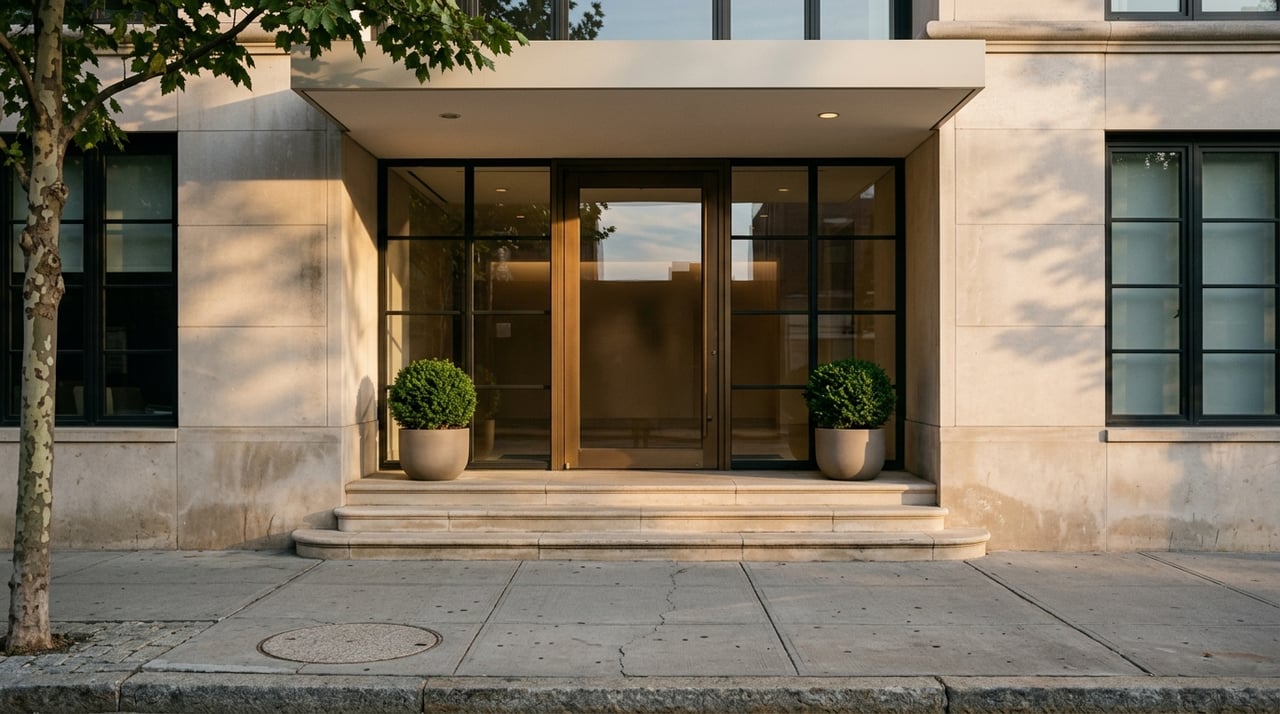
- Limited newer condo buildings, often on or near mixed-use avenues.
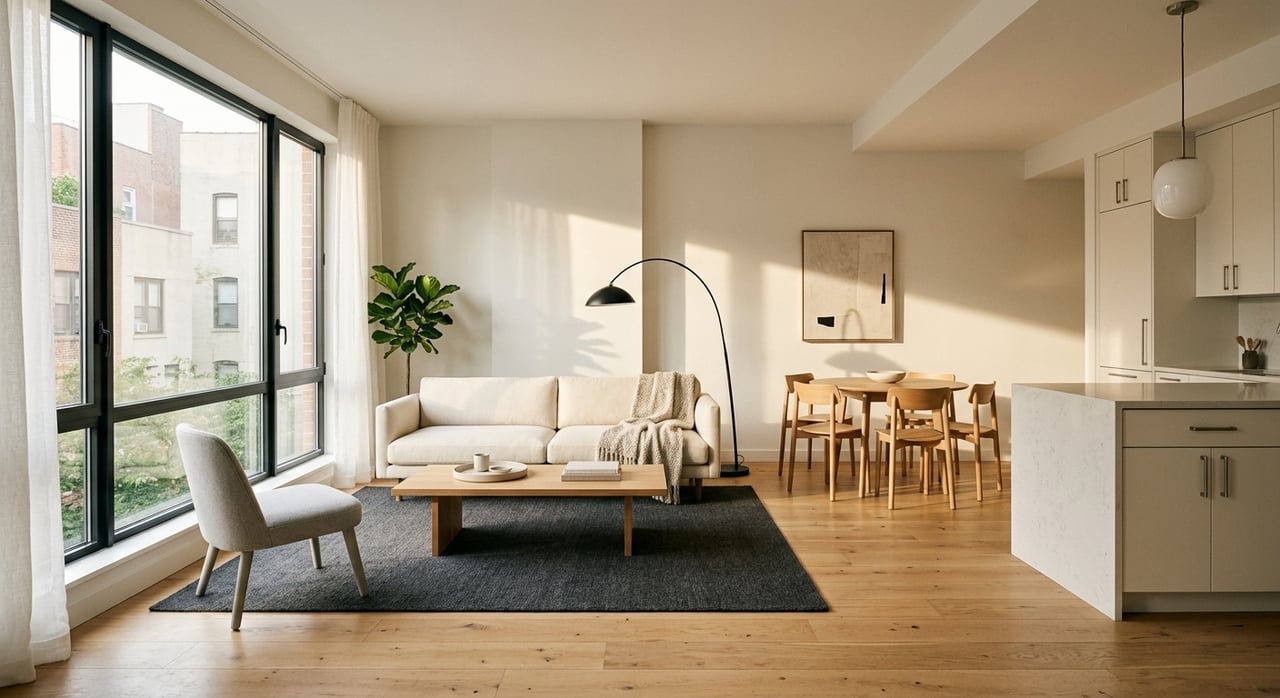
Compared with many Manhattan listings, Park Slope homes often provide more interior space and multi-room layouts at a given price point. Townhouses deliver multi-floor living that can feel like a long-term solution if you value room to grow. The tradeoff is that older housing may require ongoing maintenance and more careful planning for improvements.
Daily-life essentials
Groceries and the Food Coop
Park Slope’s food landscape includes independent grocers, specialty purveyors, and national chains nearby. A local institution, the Park Slope Food Coop, is a member-run market that has served the neighborhood for decades. If you are considering membership, review current rules and participation requirements.
Parks and weekend rhythm
Prospect Park shapes the neighborhood’s day-to-day. Mornings bring jogging loops and dog walks. Afternoons often mean playground stops or ball fields. Weekends offer picnics, concerts, and seasonal activities. The park’s scale makes it easy to build healthy outdoor routines, and many blocks are within a short walk to an entrance. For updated schedules and events, see the Prospect Park amenities and programming.
Dining and retail
You will find a steady mix of cafes, bakeries, pizzerias, and restaurants on 5th and 7th Avenues, plus boutiques and services for everyday needs. The vibe leans neighborhood-focused. You can get good coffee, a weeknight dinner, and errands done without leaving the Slope. The lineup changes, so it helps to explore block by block.
Childcare and health resources
There is a dense network of preschools, daycares, and parent groups in and near Park Slope. Pediatric practices and urgent-care options are common, with major hospitals a short trip away in surrounding neighborhoods. If childcare is a priority, check current admissions timelines and waitlist practices before you set your housing timeline.
Schools and education options
Park Slope is served by NYC Department of Education schools. Elementary students are typically zoned to a neighborhood school, and middle and high school options include citywide and screened programs. Families often plan around enrollment timelines and consider after-school and enrichment nearby. For current zoning and application steps, use the NYC Department of Education enrollment and zoning resources.
Private and parochial schools are present in the area, and some charter options exist nearby. Admissions, tuition, and calendars vary, so it is wise to confirm details early if you are aligning a move with a specific school plan.
Getting around
Subway and commute
Park Slope is well connected to Manhattan and Brooklyn via subway and bus. Many residents report 30 to 60 minute commutes to central Manhattan, depending on the line, transfers, and exact destination. For maps, planned work, and line-specific updates, check current subway maps and service. Some commuters also use Atlantic Terminal nearby for broader connections within the MTA network.
If you are comparing Park Slope to a Manhattan neighborhood, the tradeoff is usually a longer subway ride in exchange for more space and a quieter residential setting.
Biking and walking
Side streets are walkable, and bike infrastructure in central Brooklyn is robust. Citi Bike docks cover the area, which makes short trips and last-mile connections easy. To plan routes or check availability, review the Citi Bike station map and the NYC DOT bike network.
Driving and parking
Car ownership is lower than suburban norms. Street parking is regulated by alternate-side rules and meters, and garages are limited. If you own a car, factor in time for parking and budget for permits or paid options where available.
Tradeoffs vs Manhattan
Every New York neighborhood asks for tradeoffs. In Park Slope, the balance tends to look like this:
- Space vs commute. You often get larger interiors and multi-room layouts, but many commutes to Midtown and Lower Manhattan are longer.
- Character vs modernization. Historic blocks offer curb appeal and charm, while older systems and preservation rules can add complexity to renovations.
- Neighborhood rhythm vs late-night options. You get a steady local scene with parks and retail, but fewer late-night venues than in many Manhattan districts.
To see how these tradeoffs align with your daily routine, map your commute and park access from specific blocks and plan a weekday test run.
What to check before you buy or rent
A focused checklist saves time and money:
- Landmark status. Confirm whether a property is within a designated historic district and understand the scope of exterior work allowed. Start with the Landmarks Preservation Commission guidance.
- Building systems and water management. For townhouses, evaluate foundations, roof, mechanicals, and basement moisture. For apartments, review building reserves and planned capital work.
- Permit history. For past alterations, check city records to ensure work was done with proper permits and sign-offs.
- School zoning and timelines. Use the NYC Department of Education enrollment and zoning tools to confirm zoned schools and application windows that align with your move.
- Commute practicalities. Compare subway lines within a 5 to 10 minute walk and review peak-hour schedules on current subway maps and service. For a data lens on commute patterns, explore American Community Survey commute data.
- Day-to-day logistics. Note trash and recycling schedules, alternate-side rules, and seasonal park programming to understand the weekly flow.
A day in Park Slope
Mornings might start with coffee on a tree-lined block and a jog through the park’s Long Meadow. On the way back, you pick up groceries or a fresh loaf from a local bakery. Lunch is an easy walk on 7th Avenue, and the afternoon includes a playground meetup or a quiet hour at a nearby bookstore. Dinner could be pizza on 5th Avenue or a low-key bistro. The streets wind down early, and the park gives you one last sunset loop before home.
How The W Team supports your move
Choosing Park Slope often comes down to aligning space, commute, and preservation considerations with your timeline. You deserve a process that is both data-driven and hands-on. The W Team pairs market analysis with a boutique experience. You get precise valuation, curated showings with private-driver logistics when needed, and multilingual counsel in English, Mandarin, and Spanish. We help you assess landmark rules, renovation scope, carrying costs, and comparable sales, then negotiate with clarity and confidence.
Ready to explore Park Slope on your terms? Connect with The W Team to plan a strategic search. Request a private consultation.
FAQs
How long is the commute from Park Slope to Midtown?
- Many residents report 30 to 60 minutes depending on the line, transfers, and destination. Verify routes and service changes with current subway maps and service.
What does living in a historic district change for homeowners?
- Exterior work such as windows, stoops, and masonry typically requires permits and adherence to LPC rules. Review the Landmarks Preservation Commission guidance before planning renovations.
How can I confirm my zoned public school in Park Slope?
- Use the NYC Department of Education enrollment and zoning tools to look up a specific address and see application timelines and options.
Are Park Slope brownstones usually move-in ready?
- Condition varies. Many have updated interiors, but older systems may need modernization. Arrange thorough inspections and review permit history for any past alterations.
Is biking a practical way to get around Park Slope?
- Yes, the area is bike-friendly with Citi Bike coverage and established routes. Check the Citi Bike station map and the NYC DOT bike network for planning.
What should renters know about daily logistics in Park Slope?
- Expect alternate-side parking rules, scheduled trash and recycling, and a steady flow of park programming. Build these into your weekly routine to save time.