If Madison Square Park could be your backyard, you want to understand the block‑by‑block tradeoffs before you buy. The area blends iconic architecture with a lively food scene and easy transit, which is why homes here draw so much interest. In this guide, you’ll learn what to expect from floorplans and pricing, where each housing type clusters, and how Flatiron compares with nearby NoMad and Gramercy. Let’s dive in.
Madison Square Park at a glance
Set between roughly 14th to 28th Streets and from Park/Madison Avenues to Sixth/Seventh Avenues, the park anchors Flatiron and connects directly to NoMad to the north and Gramercy to the east. The 6.2‑acre green is programmed and maintained by the Madison Square Park Conservancy, which runs horticulture, seasonal food events, and rotating public art that keep the park active year‑round. You can explore current programming on the Conservancy’s site at the Madison Square Park guide and events page. Madison Square Park Conservancy
Day to day, you will notice a weekday 9‑to‑5 pulse from nearby offices, then a more local residential feel in the evenings and on weekends. Plazas near the Flatiron Building draw visitors, while side streets feel calmer. Buyers who value access to dining and services often target blocks that frame the park.
What you will find in nearby buildings
Cast‑iron and Ladies’ Mile blocks
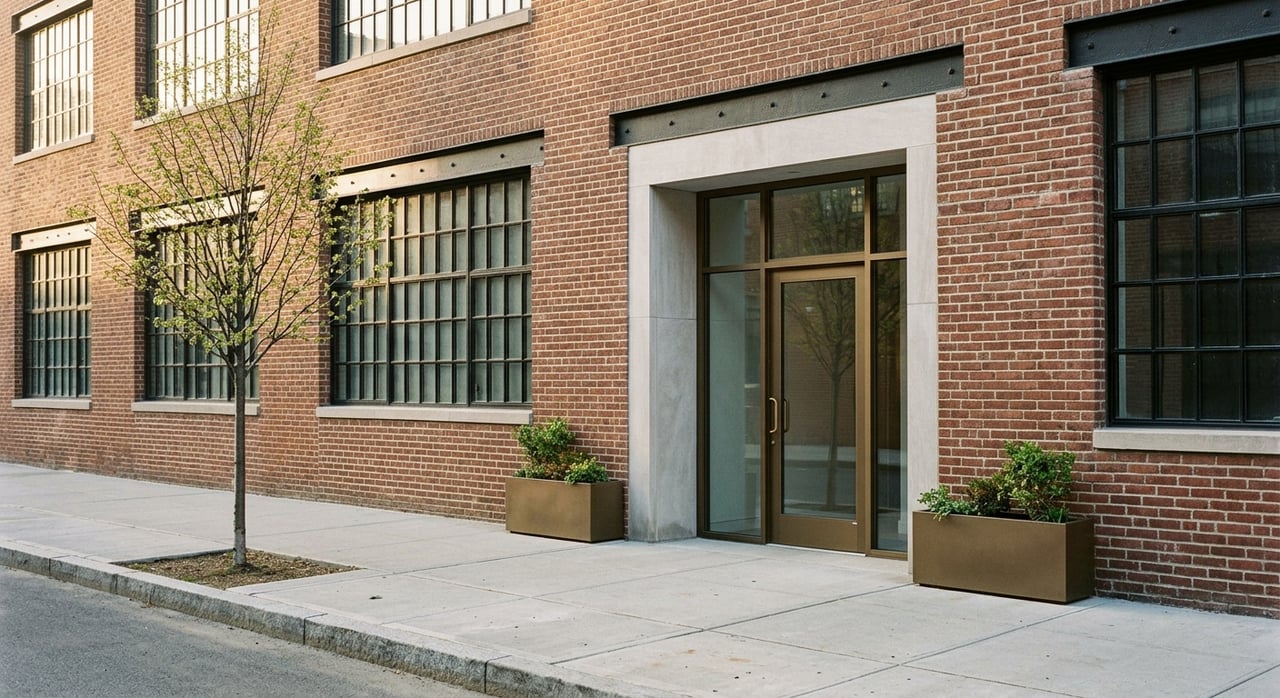
Broadway and parts of Sixth Avenue still show cast‑iron façades and former department‑store buildings from the historic Ladies’ Mile corridor. These buildings often have tall windows and high floor plates that work well for loft conversions. Ladies’ Mile overview
Loft conversions
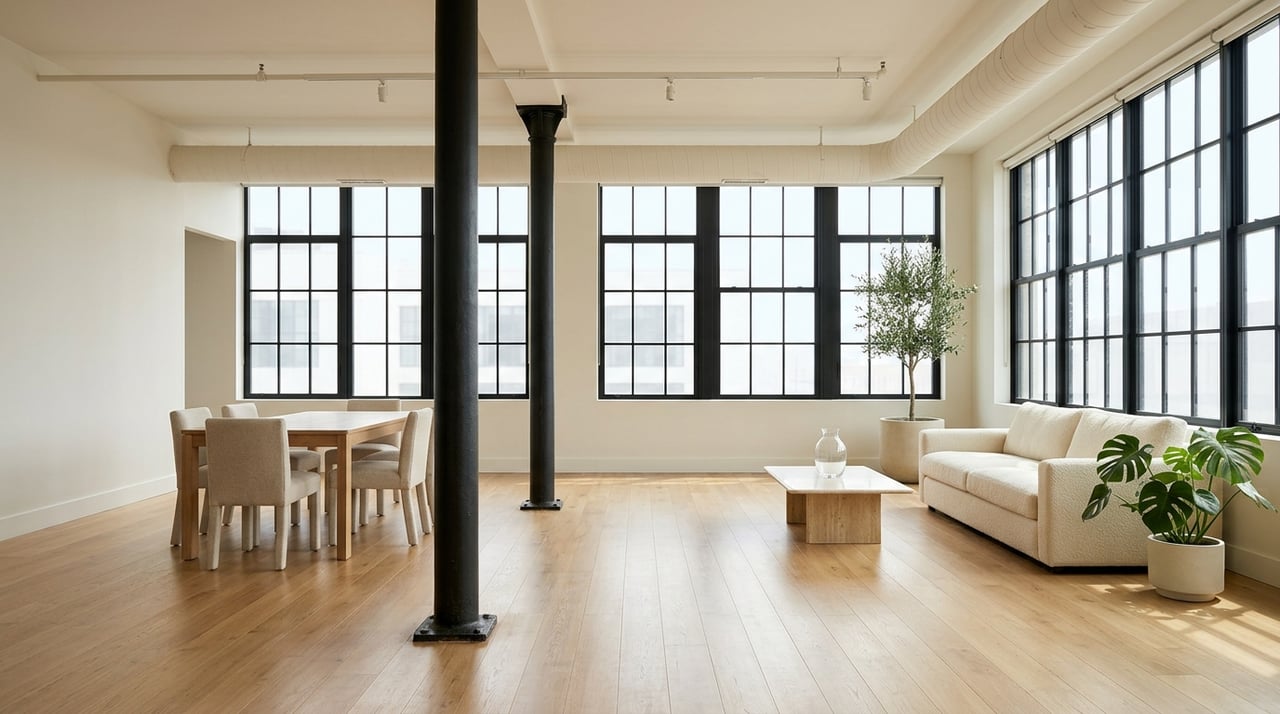
West of Broadway and in pockets of NoMad, many former showrooms and light‑industrial floors were converted to lofts. Expect open‑plan living, large windows, and ceilings that can run 11 to 15 feet or more. These volumes feel dramatic and gallery‑like. The tradeoff is less partitioned space unless the unit has been reconfigured, so secondary bedrooms and closets can be more limited.
Prewar co‑ops and townhouses near Gramercy
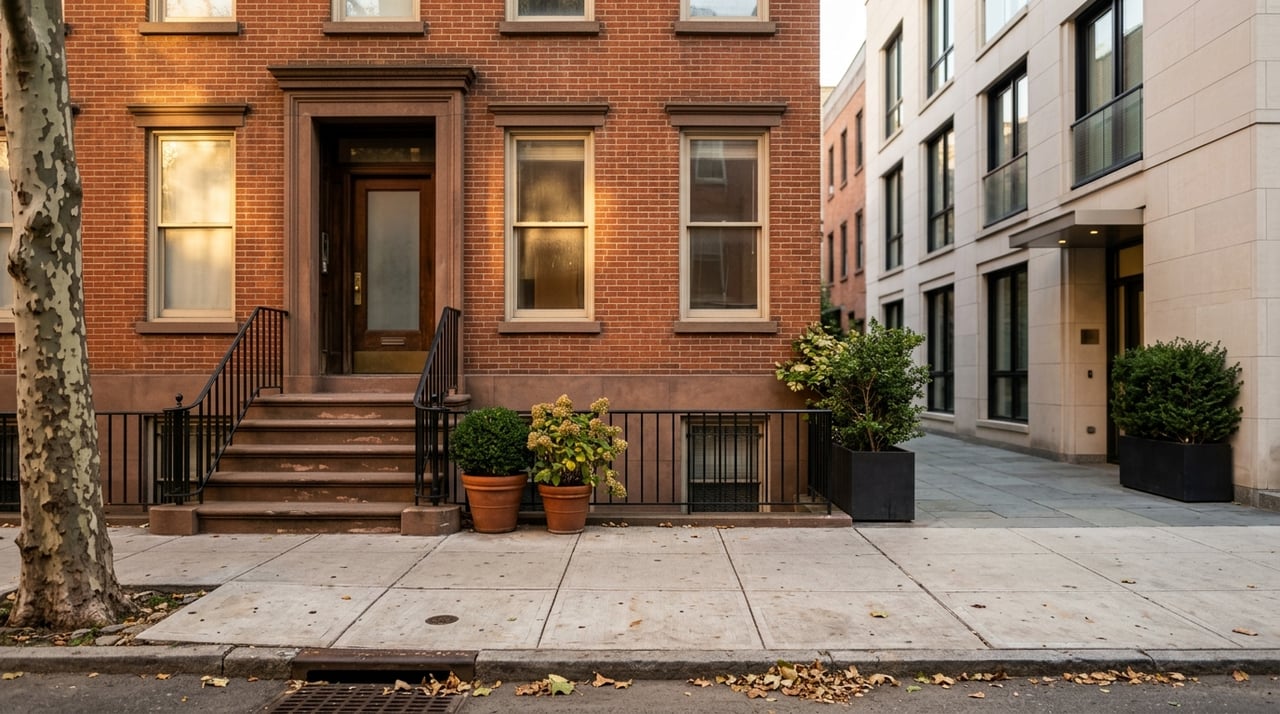
Move east toward Gramercy and you will see more prewar co‑ops, brownstones, and townhouses. Floorplans here tend to be traditional, with defined living and dining rooms and modest kitchens. This pocket often reads quieter and more residential, with fewer new condo towers immediately on park‑adjacent blocks.
Newer condos and landmark conversions
Over the last decade, boutique condos and high‑end office‑to‑residential conversions have reshaped several blocks. Newer buildings usually offer regular floorplates, modern mechanicals, better acoustic assemblies, and standardized 1‑ to 3‑bedroom layouts. A standout example is the planned residential conversion of the Flatiron Building at 175 Fifth Avenue. Public coverage shows unit counts and phasing have shifted during approvals, which is common with landmark projects. The key takeaway is the ongoing office‑to‑residential trend that is bringing trophy‑level homes to the area. Flatiron Building conversion coverage
Floorplans, sizes, and ceiling height
Typical apartment footprints near the park track with central‑Manhattan norms. A recent RentCafe snapshot for Flatiron shows an average rent around $5,800 per month, with studios averaging about 444 square feet and one‑bedrooms about 773 square feet. These numbers help frame what a compact city home often looks like by the park. Flatiron rents and sizes snapshot
- Lofts: You get generous volume and a flexible open plan. You trade off more enclosed rooms and closet storage unless the layout has been built out. Sound can carry in tall rooms, so soft finishes and area rugs help.
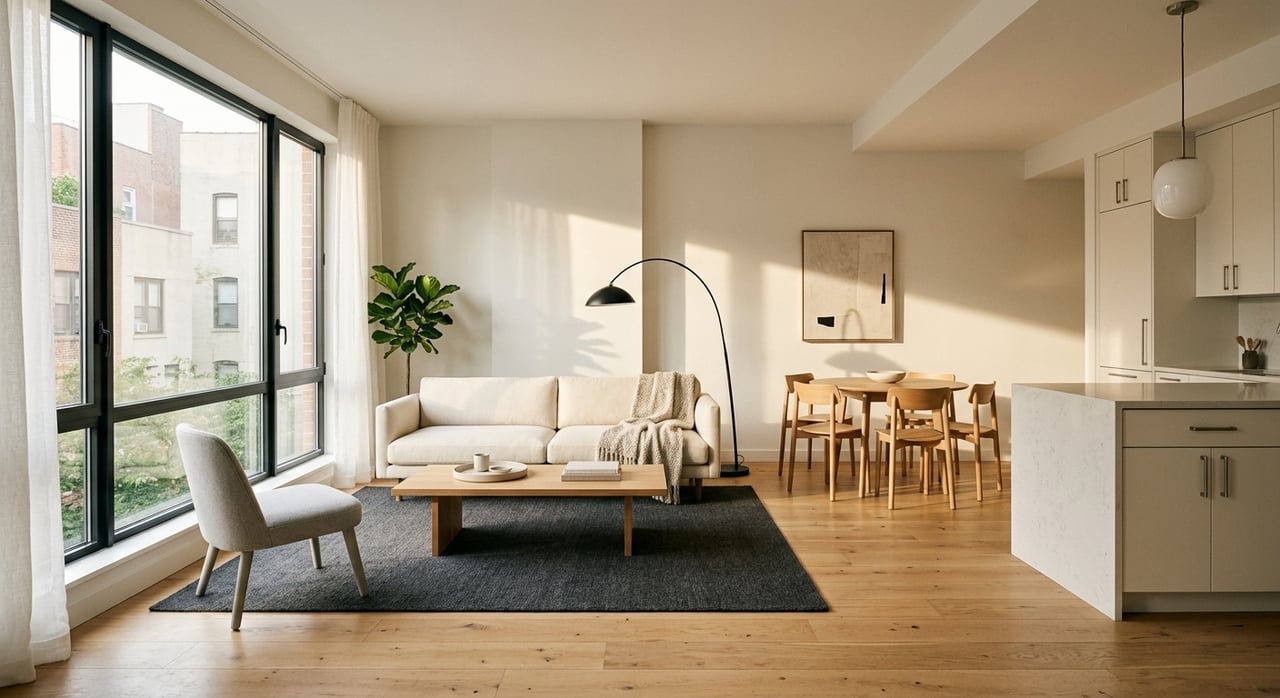
- Newer condos: You get more compartmentalized layouts with multiple bedrooms, modern kitchens, in‑unit systems, and amenity packages like a doorman, fitness room, and package rooms. These features influence price per square foot.
- Ceiling height: Higher ceilings command a premium and change acoustics. Newer buildings often deliver insulated glazing and engineered partitions that reduce street and neighbor noise compared with older single‑skin conversions. If quiet matters to you, confirm window type and test noise at different times of day.
Pricing and inventory: Flatiron vs NoMad vs Gramercy
Several data providers track this corridor, and numbers vary by source and time window. Treat snapshots as directional rather than absolute. For example, Rocket Homes reported a Flatiron median sale price near 1.95 million dollars in a June 2025 snapshot. Flatiron market report
- Flatiron: Premium and block‑dependent, with a mix of lofts, prewar co‑ops, and newer condos. Park‑facing, corner, and higher‑floor homes often carry meaningful premiums.
- NoMad: Strong new‑development presence and hospitality‑driven amenities push average price per square foot higher in certain pockets. Buyers who want fresh layouts and building services often concentrate here.
- Gramercy: A larger share of co‑ops and townhouses shapes pricing and availability. True condos are less common immediately around the private park, which influences inventory and rules around resale or subletting. Gramercy market trends
Product type also matters:
- Lofts: Rare volume and custom interiors can command trophy pricing on a case‑by‑case basis. Value is highly specific to ceiling height, window span, and outlook.
- New condos: Higher average $/ft² is common because buyers pay for amenity stacks, insulated glazing, and modern mechanicals.
Daily life: food, retail, and events
The culinary scene is a major draw. The original Shake Shack kiosk began as a park concession that supported the Conservancy before becoming a global brand, and that origin story reflects how food and the park are intertwined. Shake Shack origins in SEC filings
You are also within a short walk of destination spots like Eataly at 200 Fifth Avenue and a mix of local boutiques, design showrooms, and national retailers. Broadway and the 20s remain influenced by the Ladies’ Mile shopping corridor, which sustains strong daytime foot traffic. Seasonal food markets and rotating public‑art programs activate the park’s edges and plazas, so if you enjoy an active public realm, this location delivers. Madison Square Park programming
Getting around: subway, PATH, and bikes
Transit is a strength here. Multiple 23rd Street stations create excellent coverage: the R/W along Broadway, F/M along Sixth Avenue, and 6 along Park Avenue South. The 1 line is also nearby on Seventh Avenue. The grid is compact, so many destinations are a short walk or a single transfer away. For elevator access and status, check the MTA’s station pages. How to get to Madison Square Park
If you need New Jersey access, PATH serves Midtown with a 23rd Street stop on Sixth Avenue, plus quick links to Jersey City and Hoboken. Penn Station connections are a short subway hop or cab ride. PATH system overview
Cycling is practical, too. The Flatiron/NoMad public‑realm program and Broadway Vision have added protected bike lanes, expanded plazas, and more Citi Bike capacity, which improves safety and comfort for daily rides. Flatiron/NoMad planning details
Noise, views, and livability tradeoffs
- Park‑facing vs avenue blocks: Homes that face the park usually command a premium for greenery and outlook. Daytime events can add foot‑noise, while Broadway and 23rd Street carry more vehicle and pedestrian traffic. Side streets and the Gramercy interior tend to be calmer. Madison Square Park programming
- Lofts vs new builds: Tall, open lofts can amplify sound and reduce privacy between zones. Newer condos usually provide insulated windows, mechanical ventilation, and room partitions that quiet the interior.
- Views: Irregular lots and the Flatiron prow create very unit‑specific exposures. Corner lines, higher floors, and full‑floor layouts are where you typically find the widest views, and those lines price accordingly.
Buyer checklist around the park
Use this quick list on every viewing:
- Building type and rules: Confirm co‑op vs condo, board requirements, flip taxes, sublet policies, and building financials. Gramercy market context
- Floor and orientation: Higher floors reduce street noise. Park‑facing units trade outlook for potential daytime activity. If night quiet matters, avoid corner lines on Broadway.
- Ceilings and layout: If you want 11‑ to 14‑foot ceilings, expect more open loft geometry and fewer enclosed bedrooms unless remodeled. Verify ceiling height in person.
- Windows and HVAC: Ask about insulated glazing, facade upgrades, and whether there is central AC vs through‑wall units. Recent conversion or new‑build projects usually deliver stronger acoustic and mechanical performance. Flatiron conversion trend
- Amenities vs price per foot: Newer condos price in the value of a doorman, gym, package rooms, and energy‑efficient systems. Lofts price in volume, window span, and character. Choose based on lifestyle.
- Noise checks: Visit on a weekday lunch hour, weeknight, and weekend. Ask about nearby construction and planned street work under the Broadway Vision program. Flatiron/NoMad planning details
Flatiron or NoMad or Gramercy: which fits you?
- Choose Flatiron if you want direct park access, a central location, and a mix of lofts, prewar co‑ops, and newer condos. You value walkability and a lively food scene.
- Choose NoMad if you prefer newer buildings, hospitality‑style amenities, and boutique‑hotel energy. You want predictable layouts with modern mechanicals and services.
- Choose Gramercy if you prefer a quieter, residential feel with more prewar co‑ops and townhouses and a traditional streetscape. You are willing to see fewer new‑build condos in exchange for character.
Ready to see how these tradeoffs feel in person? You can schedule curated, side‑by‑side tours that contrast a high‑ceiling loft, a modern condo with amenity access, and a prewar co‑op near the park. For a private, data‑driven plan tailored to your goals, reach out to The W Team for a consultation.
FAQs
Is living near Madison Square Park noisy?
- Street‑facing homes on Broadway and 23rd Street are busier than park‑facing or side‑street units; newer condos usually have better sound control, so test at multiple times of day.
What is the difference between a loft and a newer condo by the park?
- Lofts offer large, open volumes and dramatic ceilings with fewer enclosed rooms; newer condos provide regular floorplans, modern systems, and amenities like a doorman and gym.
How convenient is transit around Madison Square Park?
- Multiple 23rd Street subway lines (R/W, F/M, 6) and nearby PATH service at 23rd Street make cross‑town and cross‑Hudson trips straightforward.
What drives pricing near Madison Square Park?
- Exposure, ceiling height, window span, elevation, and proximity to the park drive value; newer construction often commands higher $/ft² due to amenities and modern building systems.
Are there many co‑ops in Gramercy compared with Flatiron?
- Yes, Gramercy has a larger share of co‑ops and townhouses, while Flatiron and NoMad show more newer condo inventory and conversion product, which shapes rules and pricing. Market context