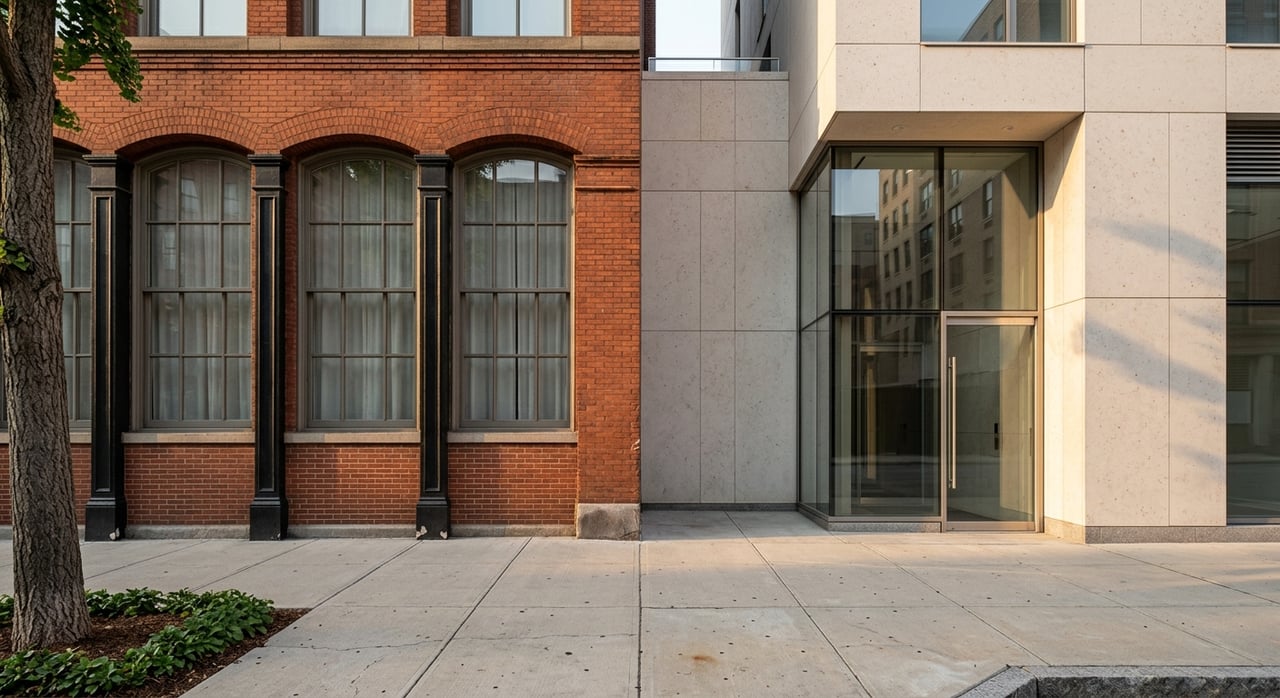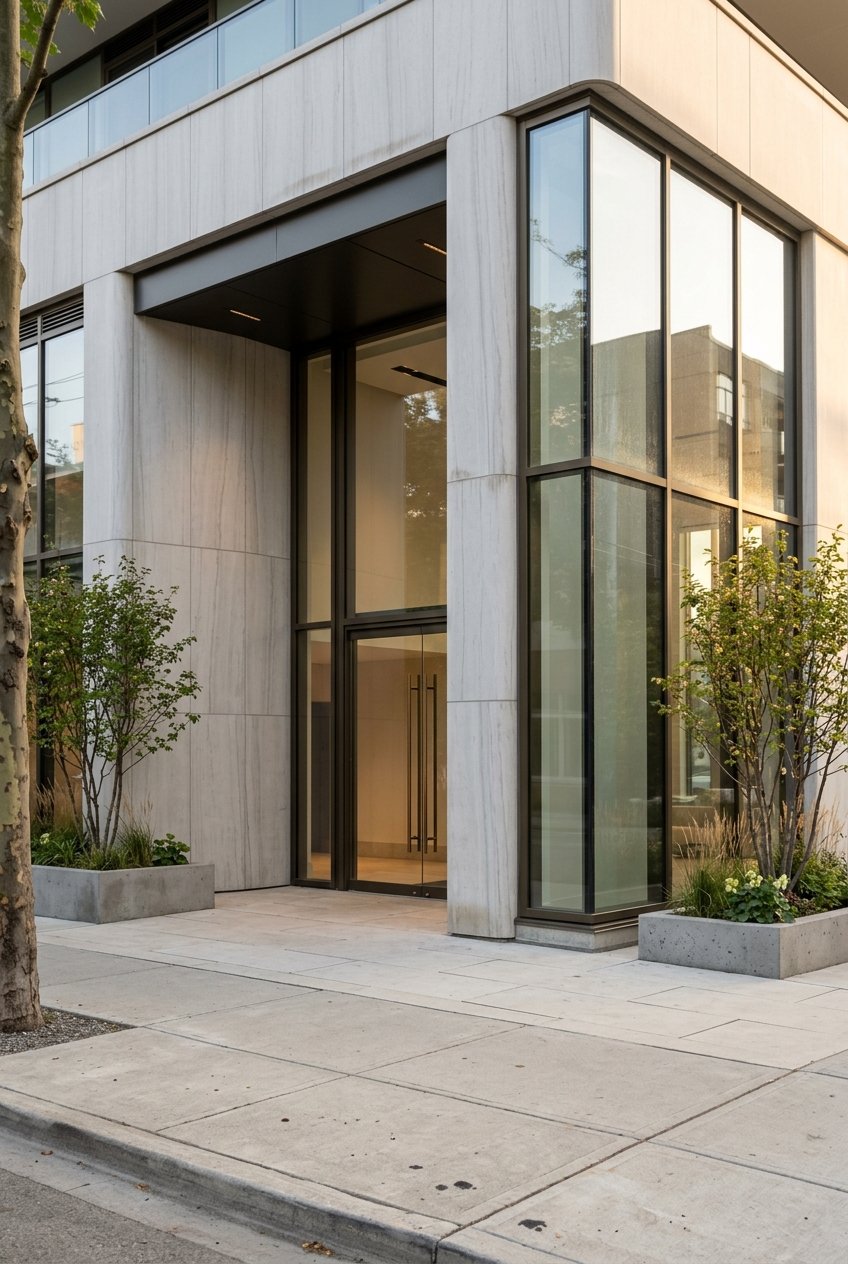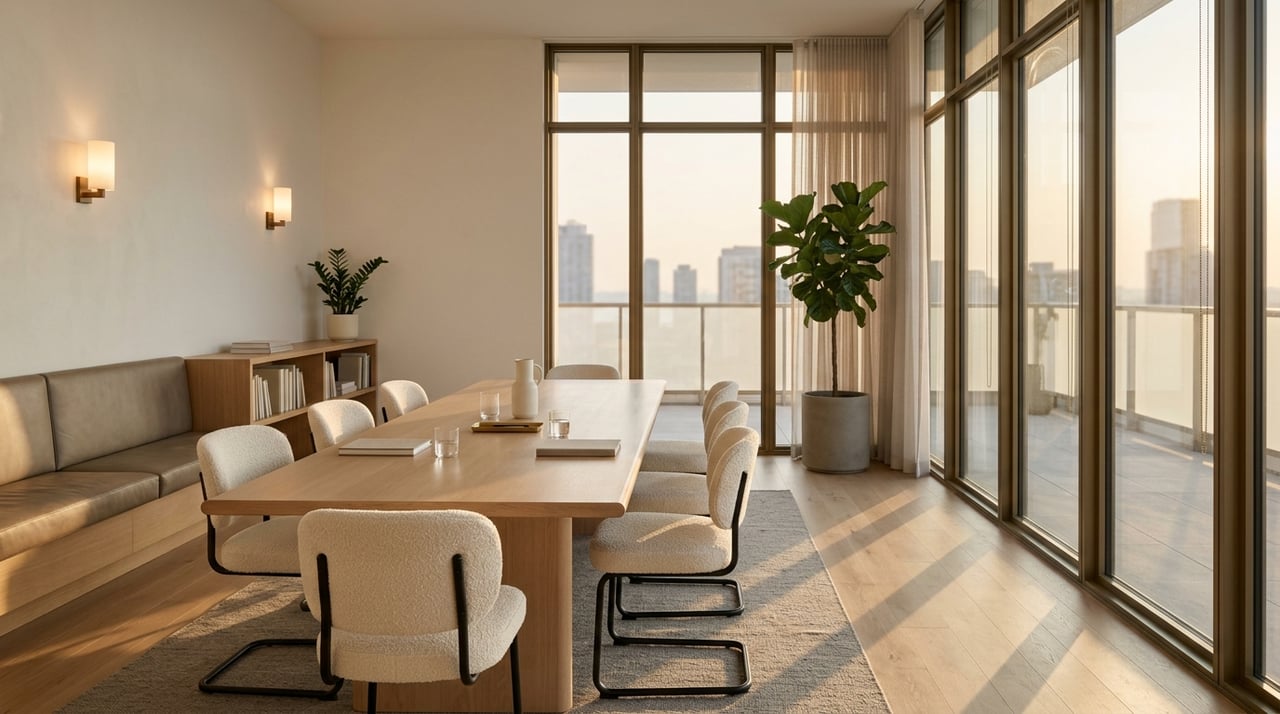
If you want a Manhattan home that feels private at the front door but connected the moment you step outside, NoMad deserves a close look. This part of the city brings together residential towers, hotel-style service, strong dining density, open space, and practical transit access in a way few neighborhoods can. For buyers considering a condo here, the real story is not just the amenity list inside a building, but how that list fits the neighborhood around it. Let’s dive in.
Why NoMad Fits Amenity-Driven Living
NoMad is commonly framed as the area between 23rd and 34th Streets and Lexington and Seventh Avenue. The broader district is often described as a place where commercial and residential life, uptown and downtown energy, and business and leisure overlap. That blend helps explain why condo living here often feels more layered than in a purely residential pocket.
In practical terms, you are not choosing between city convenience and building comfort. In NoMad, the two often work together. Many newer condos are designed around the idea that your residence should feel calm and private, while the neighborhood offers hospitality, dining, and movement just beyond the lobby.
Madison Square Park Shapes the Lifestyle
One reason the amenity story works so well in NoMad is proximity to Madison Square Park. The park spans 6.2 acres in the heart of Manhattan and draws about 60,000 daily visitors, according to the Madison Square Park Conservancy. That steady park activity adds a meaningful outdoor layer to daily life in a dense, vertical neighborhood.
For condo buyers, that matters because outdoor access is not limited to a private terrace or rooftop. You may also have a major public green space nearby for walks, sitting outside, or meeting friends. In a neighborhood where many buildings emphasize wellness and social spaces, the park strengthens that overall experience.
What Newer NoMad Condos Often Include
Across newer condo buildings in NoMad, the amenity mix tends to follow a clear pattern. You will often see rooftop or setback outdoor space, lounges, fitness and yoga rooms, spa elements, private dining rooms, library or coworking-style areas, children’s spaces, and staffed front-of-house service.
That lineup reflects a broader buyer expectation in this part of Manhattan. Buyers are often looking for more than square footage alone. They want the building to support work, wellness, entertaining, and convenience without needing to leave home for every part of the day.
Common Amenity Categories
- Rooftop terraces and outdoor lounges
- Fitness centers and yoga studios
- Spa, steam, or sauna rooms
- Private dining and entertaining spaces
- Libraries, lounges, or coworking rooms
- Children’s play areas
- Doorman, concierge, and service support
Two NoMad Condo Examples
Two current examples help illustrate the range of amenity-rich condo living in NoMad: 277 Fifth and Madison House. While each building has its own scale and identity, both show how developers in the neighborhood have leaned into service, wellness, and social space.
These examples are useful because they show that NoMad is not a one-size-fits-all condo market. Some buildings deliver a more intimate full-service experience, while others offer large amenity floors that feel closer to a private club.
277 Fifth
According to its official fact sheet, 277 Fifth includes more than 7,000 square feet of amenities. The building features a furnished Fifth Avenue terrace, a curated lobby library, an entertaining suite, a private dining room, a kids’ club, a games lounge, a fitness club with a separate yoga studio, and men’s and women’s spa areas with steam and sauna rooms.
Its service package also stands out. Residents have access to a full-time doorman and concierge, a live-in superintendent, porter services, vehicle concierge, dry cleaning, private storage, bike storage, and a pet priority program. For buyers who value support and convenience, that is a meaningful part of the offering.
Madison House
Madison House represents the larger end of the amenity spectrum. PR Newswire described it as the tallest residential tower in NoMad and reported that it offers more than 30,000 square feet of hotel-style amenities focused on wellness and leisure.
Those amenities include a 75-foot lap pool, hot tub, cold plunge pool, spa, gym, golf simulator, children’s play room, and a book-lined library. For some buyers, that kind of package can shift the building from a place you live to a place that supports much of your daily routine.
The Neighborhood Extends the Amenity Package
A major advantage of condo living in NoMad is that the neighborhood itself can feel like part of the building’s amenity set. This is especially true in a district known for restaurants, hotels, nightlife, and retail. The result is a living experience that often feels both residential and hospitality-driven.
That distinction matters because not every buyer wants to rely only on what is inside the building. In NoMad, you can enjoy private amenities at home while also benefiting from a dense network of nearby places for dining, meeting, and spending time out.
Dining Density Adds Daily Convenience
The Flatiron NoMad Partnership says its dining guide includes more than 100 eateries. Its NoMad Piazza page highlights al fresco options including La Pecora Bianca, The Smith, Tortazo, wagamama, Anita Gelato, and Vin Sur Vingt Wine Bar.
The partnership’s outdoor dining guide also points to casual options such as Avo, Carrot Express, Impact Kitchen, Mangia NYC, NAYA, and PLNT Burger. For residents, that range supports different rhythms of city living, from quick lunches to dinner plans to relaxed weekend stops.
Hotels Reinforce the Hospitality Feel
NoMad’s hotel inventory is another reason the neighborhood feels distinct. The Flatiron NoMad hotel guide includes Ace Hotel New York, Arlo NoMad, The Evelyn, The Fifth Avenue Hotel, Hotel AKA NoMad, The Ned NoMad, and The Ritz-Carlton New York, NoMad.
This concentration of hotels helps shape the area’s atmosphere. It does not feel isolated or purely residential. Instead, it often feels like a part of Manhattan where service, design, and social energy are built into the streetscape.
Two examples make that point clearly. The Ritz-Carlton New York, NoMad highlights Nubeluz rooftop bar, Zaytinya, Bazaar Meat, a club lounge, and a 6,800-square-foot spa. The Ned NoMad says it has 167 bedrooms and suites, Cecconi’s, Little Ned, and Ned’s Club Upstairs rooftop.
Transit Keeps NoMad Practical
Luxury buyers often care just as much about time efficiency as they do about finishes and views. NoMad performs well on that front. The MTA subway map shows nearby access at 23 St, 28 St, and 34 St-Herald Sq, with lines that include the 1, 6, R/W, C/E, F/M, and B/D/N/Q.
There is also 34 St-Penn Station nearby, with A/C/E, 1/2/3, and Long Island Rail Road access. For buyers who balance office time, social plans, and frequent travel, that kind of connectivity can make day-to-day life more manageable.
What Buyers Should Look For
If you are comparing condos in NoMad, it helps to think beyond the headline amenity count. The better question is how well a building’s offerings match the way you actually live. A large wellness package may be valuable to one buyer, while another may prioritize concierge support, a library lounge, and strong entertaining space.
A thoughtful search usually starts with three filters: building scale, service model, and neighborhood position. Together, those factors often tell you more than marketing language alone.
Key Questions to Ask
- Do you want an intimate full-service building or a larger amenity tower?
- Which amenities would you use weekly, not just admire on a tour?
- How important are spa and fitness offerings compared with service and storage?
- Would nearby park access and restaurant density reduce your need for in-building social space?
- How much does transit access matter for your routine?
Why NoMad Stands Out
NoMad is best understood as a central Manhattan neighborhood where condo living, hotel culture, and walkable dining reinforce one another. That combination gives amenity-rich buildings a stronger context than they might have elsewhere. The lifestyle can feel layered: private residence at home, club-style wellness and gathering space in the building, and a hospitality network outside your door.
For buyers focused on convenience, discretion, and a polished day-to-day experience, that mix is compelling. It is one reason NoMad continues to stand out among Manhattan micro-markets for luxury condo living.
If you are evaluating condo options in NoMad and want a more tailored view of which buildings best fit your priorities, The W Team can help you compare service models, amenity packages, and location tradeoffs with a private, data-driven approach.
FAQs
What makes condo living in NoMad feel amenity-rich?
- NoMad combines full-service condo buildings with nearby park access, a dense restaurant scene, hotel-driven hospitality, and broad transit options, creating a lifestyle that extends beyond the building itself.
What amenities are common in newer NoMad condos?
- Common features include rooftop outdoor space, lounges, fitness centers, yoga studios, spa or steam rooms, private dining rooms, library or coworking-style rooms, children’s spaces, and doorman or concierge service.
Which NoMad buildings are strong examples of high-amenity condo living?
- Based on the research provided, 277 Fifth and Madison House are two clear case studies, with 277 Fifth offering more than 7,000 square feet of amenities and Madison House offering more than 30,000 square feet of hotel-style amenities.
How does Madison Square Park affect the NoMad living experience?
- Madison Square Park adds a significant public outdoor component to daily life in the neighborhood, with 6.2 acres of green space and about 60,000 daily visitors according to the Madison Square Park Conservancy.
What transit options support condo living in NoMad?
- Nearby subway access includes 23 St, 28 St, and 34 St-Herald Sq stations, plus 34 St-Penn Station, connecting residents to lines including the 1, 6, R/W, C/E, F/M, B/D/N/Q, A/C/E, and 1/2/3, along with Long Island Rail Road access.
Is NoMad more residential or more hospitality-driven?
- The neighborhood blends both, which is part of its appeal. It supports private residential living while also offering a hotel and restaurant environment that shapes the daily experience.