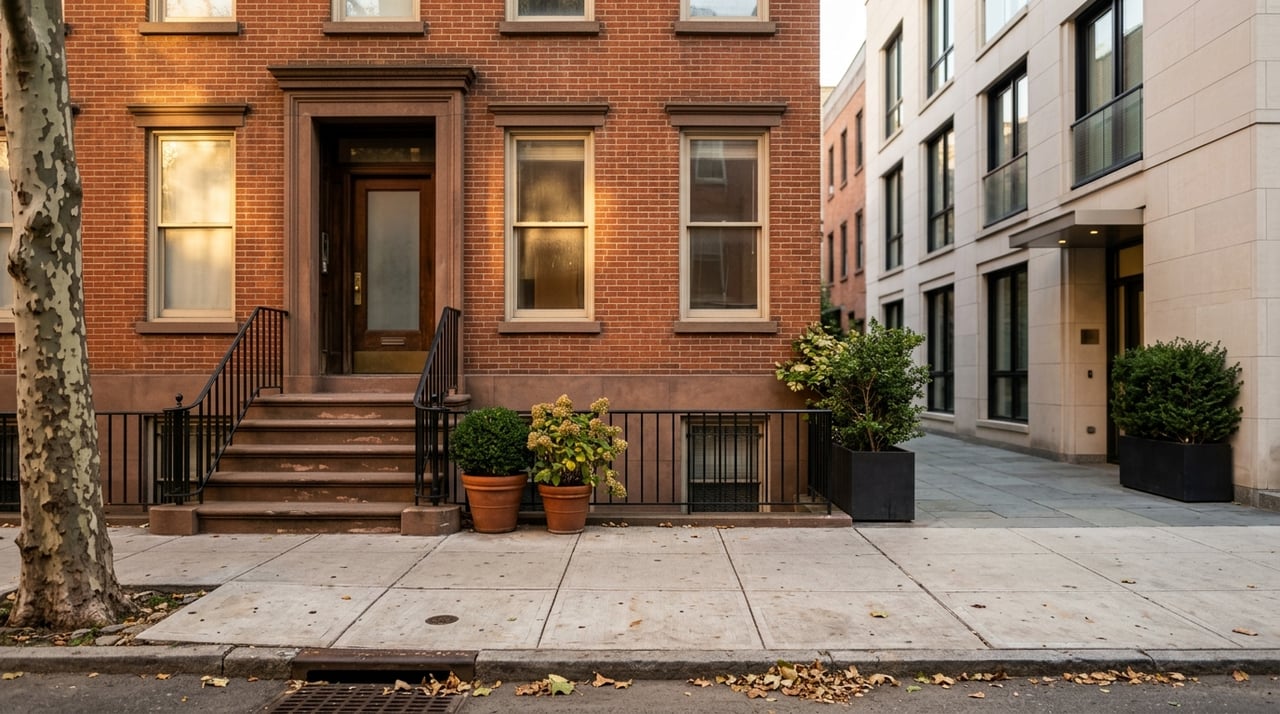
Trying to choose between a Park Slope brownstone and a condo? You are not alone. In this neighborhood, the decision is not just about square footage or style. It is about how you want to live, what level of responsibility you want to take on, and how you want your money working for you over time. If you are weighing charm against convenience, privacy against predictability, or long-term upside against easier ownership, this guide will help you sort through the tradeoffs with more clarity. Let’s dive in.
Park Slope Housing Looks Different by Block
In Park Slope, your housing choice often lines up with where you buy. New York City’s Department of City Planning says the neighborhood’s 2003 rezoning was designed to preserve the historic scale of the brownstone blocks while allowing more residential and commercial development along Fourth Avenue. That means the brownstone-versus-condo decision is often also a side-street-versus-avenue decision.
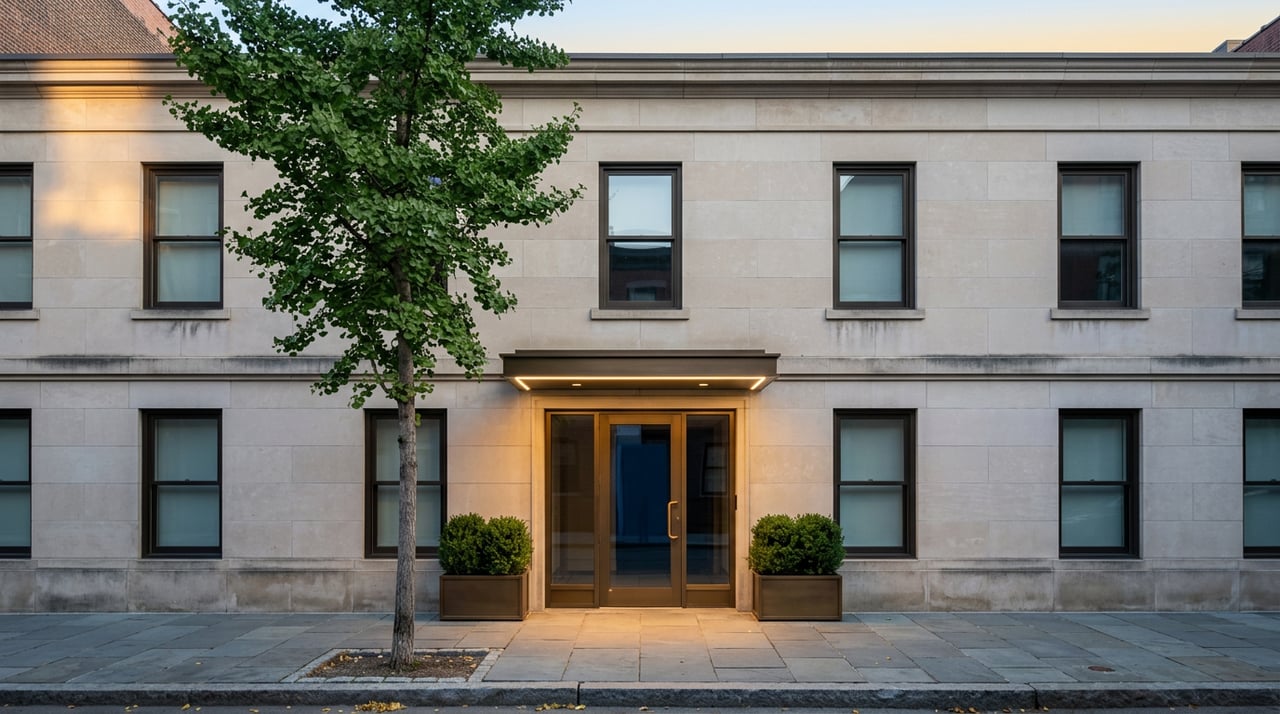
On many landmarked residential blocks, the housing stock is made up of historic rowhouses and older low-rise buildings. Along Fourth Avenue and in some conversions or newer infill projects, you are more likely to find condos in medium-density apartment buildings. Some of those buildings can rise up to 12 stories under the area’s planning framework.
That split matters because it shapes your daily experience. A brownstone usually gives you a more house-like setup with more privacy and original detail. A condo often gives you a more standardized ownership experience, with shared building systems and more predictable day-to-day management.
Brownstone Ownership in Park Slope
What a brownstone usually offers
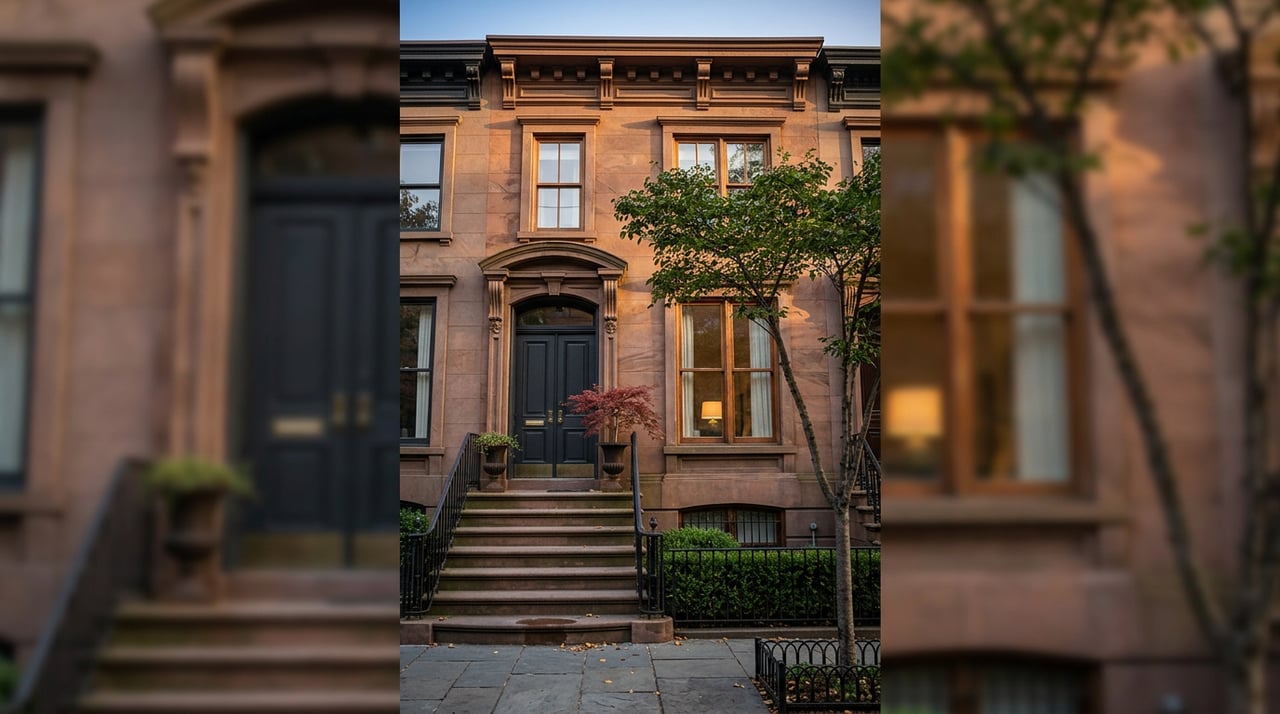
If you are drawn to classic Park Slope, a brownstone may be what you picture first. These homes often offer generous space, architectural detail, multiple levels, and in some cases a private garden or cellar. They tend to feel more like owning a house than owning an apartment.
That appeal comes with real tradeoffs. In Park Slope’s historic districts and extensions, many properties are protected, and the Landmarks Preservation Commission has a major role in exterior changes. LPC notes that Park Slope has 2,853 protected buildings across the original historic district and Extension II, so exterior restrictions are not a side issue here. They are a central part of townhouse ownership.
What maintenance really means
With a brownstone, you are usually taking direct responsibility for the building. That means planning and paying for major items like the facade, roof, windows, plumbing, electrical work, and heating or cooling systems as they age. There is no monthly common-charge budget spreading those costs across multiple owners.
For some buyers, that level of control is a plus. You can set your own maintenance priorities and timeline, subject to city rules and landmark requirements where applicable. But it also means you need the budget, patience, and appetite to manage larger capital projects when they come up.
Stairs, layouts, and daily life
Many Park Slope brownstones and older flats buildings are stair-heavy by design. LPC notes that multiple dwellings from the neighborhood’s historic era are often three- and four-story structures without elevators. If you love the look and feel of a brownstone, make sure the daily reality of stairs works for your lifestyle.
Condo Ownership in Park Slope
What a condo usually offers
A Park Slope condo often appeals to buyers who want a simpler ownership structure. Instead of managing every exterior and system issue yourself, you are part of a building with shared governance, shared expenses, and a more formal process for maintenance and repairs. That can reduce day-to-day friction, especially if you value ease and predictability.
Park Slope condos are not all the same. Some are in larger avenue buildings, while others are boutique projects or townhouse conversions that offer more house-like layouts. Recent reporting has described the local condo market as relatively small, which helps explain why well-positioned units can attract strong demand.
How condo governance works
In a condo, your ownership comes with rules and shared administration. The New York Attorney General explains that condo boards must follow the declaration, by-laws, and house rules, and owners should be able to inspect those documents. Expenses are charged according to each unit’s common interest, and boards can file liens for unpaid common charges.
That structure can be helpful if you prefer a clearer framework. You trade some personal control for a building-level system that handles records, budgeting, and common-area decisions. Before you buy, it is important to review the building’s financials, board minutes, and governing documents carefully.
Why newer condos need extra questions
If you are considering a newer condo or recent conversion, ask whether the sponsor still controls the board. According to the Attorney General, sponsor control usually ends after the sponsor sells more than 50% of the common interest or after five years from the first closing, whichever comes first, though some newly constructed or vacant condos can differ.
That matters because newer boutique buildings can look turnkey while still carrying important questions about management, systems, and long-term reserves. In a conversion especially, the apartment may feel brand new even if the underlying structure still has exposure to roof, facade, plumbing, or elevator issues.
Brownstone vs Condo Costs
Purchase price gap
One of the clearest differences in Park Slope is the price spread. StreetEasy currently lists the neighborhood median sale price at $1.7 million, while PropertyShark’s April 2026 snapshot put the overall median at $1.9 million, with condos at $1.7 million and houses at $5.6 million. The exact median can vary by source and timing, but the pattern is consistent.
Brownstones sit at the top end of the market. Condos are often the more accessible ownership entry point if you want to buy in Park Slope without taking on townhouse pricing.
Monthly carry is not always what you expect
Many buyers assume condos are always cheaper to carry month to month. In New York City, that is not necessarily true. The Department of Finance says property tax class matters a great deal.
Class 1 includes most residential properties of up to three units and most condominiums of not more than three stories, while Class 2 includes other residential properties. The assessment ratio is 6% for Class 1 versus 45% for Classes 2, 3, and 4, and Class 1 assessments are capped at 6% per year and 20% over five years. So a low-rise condo may be taxed differently from a larger condo building, and a brownstone may not automatically carry a higher tax burden just because it is a house.
Common charges versus direct expenses
The bigger economic difference is often how costs show up. In a condo, you typically pay common charges that support shared building operations and reserves. In a brownstone, you usually pay directly when the roof needs work, the facade needs repair, or the systems need replacement.
Some condos may also qualify for New York City’s Cooperative and Condominium Property Tax Abatement if the unit is your primary residence and the development qualifies. The city says the board or managing agent applies for the benefit, and the abatement currently ranges from 17.5% to 28.1% depending on the development’s average assessed value. It can help offset carrying costs, but it is not automatic.
Renovation Flexibility Is Very Different
Brownstones face more exterior limits
If you want to personalize a brownstone, the biggest issue is often the exterior. In a historic district, exterior changes may require LPC approval. That can affect windows, stoops, facades, doors, roofing visibility, and other visible elements.
For some buyers, preserving a historic home is part of the appeal. For others, the approval process and design restrictions feel limiting. If renovation freedom is high on your list, this is one of the first items to examine before you make an offer.
Condos offer a different kind of constraint
Condos usually give you fewer exterior concerns, but they come with internal rules. Renovation work may be subject to alteration agreements, board review, work-hour limits, and building policies. You may not be preserving a landmark facade, but you are still operating within a shared governance structure.
In other words, neither path is fully unrestricted. The difference is where the control sits. With brownstones, city preservation rules can shape the process. With condos, building rules and board oversight often shape it.
Which Choice Fits Your Lifestyle Best?
A brownstone may fit if you want:
- A house-like asset with more privacy
- More space across multiple levels
- Historic character and original detail
- Direct control over maintenance decisions
- A private outdoor area, cellar, or flexible townhouse layout
A condo may fit if you want:
- Lower day-to-day ownership friction
- Shared responsibility for building systems
- More formal governance and budgeting
- A more flexible entry point into Park Slope
- A layout that feels turnkey or easier to manage
This is not a universal rule, but it is a useful framework for Park Slope. The neighborhood’s zoning, landmark protections, building mix, and pricing all reinforce these differences.
What Resale Can Look Like
Resale is not just about which property type is better. It is about which buyer pool you want to appeal to later. In Park Slope, both product types can perform well, but they often attract different audiences.
Recent reporting noted that Park Slope condos sold at a 4% premium to asking in the first quarter of 2025, and that some units attracted multiple offers. The same reporting highlighted that townhouse pricing has moved from the $3 million range to $5 million-plus. That supports a simple takeaway: brownstones benefit from scarcity and lifestyle premium, while condos often appeal to a broader group of buyers.
If your future resale strategy matters, think about what kind of buyer is most likely to step into your shoes. A well-located condo can move quickly when priced well. A brownstone can command exceptional pricing, but the buyer pool is usually narrower and more specific.
How To Make the Decision
If you are deciding between a Park Slope brownstone and condo, focus on three questions.
First, how much ownership responsibility do you want? A brownstone gives you control, but it also gives you the full maintenance burden. A condo spreads responsibility across the building.
Second, how do you want to live day to day? If privacy, space, and house-like character matter most, a brownstone may be worth the extra complexity. If ease, shared systems, and a simpler routine matter more, a condo may be the stronger fit.
Third, how do you want your budget allocated? With a condo, more of your costs may show up as common charges and building-level expenses. With a brownstone, more of the risk sits with you directly, especially when major repairs arrive.
In Park Slope, there is no one-size-fits-all answer. The right choice depends on whether you value character over convenience, control over predictability, and scale over simplicity.
If you want a data-led, private conversation about which option fits your budget and priorities, The W Team can help you evaluate Park Slope inventory with clarity and confidence.
FAQs
Are most Park Slope brownstones landmarked?
- Many Park Slope brownstones are in historic districts or extensions, and the neighborhood has 2,853 protected buildings across the original district and Extension II. That means exterior changes can be subject to LPC review.
Are Park Slope condos always cheaper per month than brownstones?
- Not necessarily. Monthly carrying costs depend on property tax class, whether a condo qualifies for the city’s tax abatement, the building’s common charges, and the maintenance needs of a brownstone.
Are Park Slope condos mostly on Fourth Avenue?
- Many newer or denser condo buildings are found along Fourth Avenue and similar corridors, while historic side streets are more closely associated with rowhouses and lower-scale housing.
Is a Park Slope brownstone better for resale than a condo?
- Not automatically. Brownstones can command higher prices because of scarcity and lifestyle appeal, while condos often attract a broader buyer pool and can sell quickly when priced well.
What should you review before buying a Park Slope condo conversion?
- You should review the offering plan, board minutes, financial reports, and the condition of major building systems such as the facade, roof, plumbing, electrical, windows, and any elevator exposure.
Do newer Park Slope condos come with warranty protection?
- Newly constructed homes of five stories or less may be covered under New York’s Housing Merchant Limited Warranty Law, which includes one-year coverage for most defects, two-year coverage for mechanical systems, and six-year coverage for structural defects.