Some of the best Hudson Square homes never hit public portals. If you value privacy, design, and speed, you may miss them while they trade quietly through trusted networks. You want a smart path to real options, not endless scrolling and bidding wars. In this guide, you’ll see how you can access off‑market and pre‑market opportunities around Hudson Square’s boutique buildings with a clear plan and a team built for discretion. Let’s dive in.
Why off‑market matters in Hudson Square
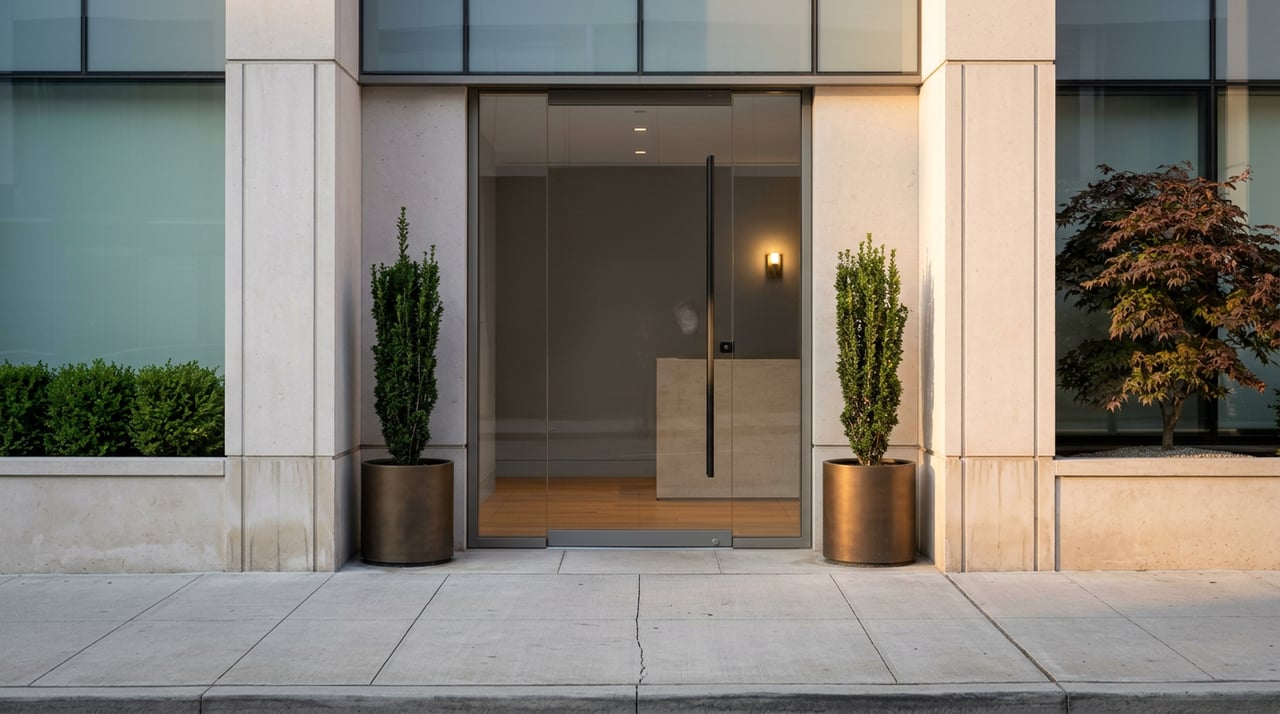
Hudson Square sits between SoHo, Tribeca, and the West Village, with a mix of boutique condos and co‑ops, converted lofts, and a handful of newer mixed‑use buildings. Many buildings have fewer units, thoughtful design, and quiet entries, which appeals to buyers who prize privacy. That same character attracts owners who prefer a private process when it is time to sell.
Sellers choose off‑market for several reasons. Some want discretion due to public‑facing roles. Others want a low‑stress path that skips open houses and staging. Certain situations like downsizing, probate, or relocation also call for confidentiality. Developers sometimes share units to broker networks or VIP lists before a public launch, which creates a short window where buyers can act first.
ZIP boundaries in Lower Manhattan can be nuanced. Hudson Square addresses often fall near SoHo, Tribeca, and the West Village. You benefit when your agent verifies building ZIPs and records at the property level, then focuses your search where the right homes actually exist rather than relying on broad postal maps.
What makes boutique buildings different
- Fewer residences and quieter common spaces that support privacy.
- Distinct layouts, often with loft elements or custom design.
- Varying rules across co‑ops and condos, which shape timing and terms.
- High demand from creative, tech, and executive buyers seeking location and discretion.
Where off‑market homes come from
Off‑market and pre‑market inventory is relationship‑driven. The most reliable channels are steady, respectful, and compliant with local rules.
Broker networks and pocket opportunities
Established broker relationships are the fastest path to credible, private options. Agents share pocket and in‑network listings with peers who bring qualified, ready buyers. You gain speed, better context, and confidentiality. Availability depends on the network’s depth and reputation, so readiness matters.
Developer and VIP pre‑launch lists
Developers sometimes preview units to select broker lists or VIP registrants before a public release. You may see early pricing, floor plans, or incentives during this window. Demand can be strong and timelines short, so decisions need to be organized and data‑led.
Property managers and building staff
In boutique buildings, managers, supers, and concierges often know about owner plans or upcoming changes before the market does. Respectful outreach can surface early signals. Any information must be verified through records and direct owner conversations, always with confidentiality and building rules in mind.
Landlords, owner‑occupants, and buyouts
Owners of neighboring units, long‑tenured landlords, or investors with expiring leases may be open to a direct sale. This route can reveal quiet opportunities in buildings with limited turnover. If rent‑regulated issues arise, you will need careful legal guidance and a thoughtful approach.
Public records and data‑driven sourcing
Property records, deed history, permits, and ownership changes can flag potential sellers. Signals like estate transfers, permit filings, or lien activity must be vetted, but they help you build a targeted list. A data‑first approach reduces noise and narrows your outreach to realistic options.
Attorneys, accountants, and estate planners
When life events create a need to sell, trusted advisors can introduce qualified buyers to clients who want privacy. These referral paths prioritize discretion and tend to produce higher‑quality matches.
Relocation and corporate housing
Company moves and corporate housing shifts can bring units back into circulation off‑portal. Partnering with relocation programs and HR contacts can provide a quiet first look.
Thoughtful direct outreach
Hyper‑targeted letters, building‑specific mailers, or selective digital ads can reach likely sellers. The messaging stays respectful, simple, and confidential. Response rates vary, but a disciplined program can surface owners who are open to private conversations.
Social and professional circles
LinkedIn, Instagram, and neighborhood groups can be productive if used carefully. The key is a professional, nonintrusive note paired with credible references and a clear value proposition for the seller.
Your readiness checklist
You will move faster and win more often if your fundamentals are in place. Prepare these items before you start outreach.
- Proof of funds or bank letter; pre‑approval if financing.
- A one‑page buyer brief: budget range, structure preferences, must‑haves, deal breakers, and timing.
- NDA readiness for confidential situations.
- A short list of target building types with your tradeoffs. For example, small co‑op with an approval process versus condo with higher closing costs.
Our outreach playbook for you
Here is how a focused search in Hudson Square and the adjacent corridors comes together.
- Broker outreach: Contact top agents active in the micro‑market with your buyer brief and verification of funds. Request early tours for pocket and pre‑market listings.
- Developer and sponsor lists: Register you on relevant VIP lists and monitor sponsor resales. Narrow by line, exposure, and floor to avoid wasted steps.
- Building manager notes: Share a professional, discreet message with managers at prioritized buildings. Offer confidentiality and a clear buyer profile to make outreach meaningful.
- Data‑driven targets: Build a candidate list from public records, then cross‑check with our network. Focus on signals like deed changes, permit activity, or long tenure.
- Professional referrals: Notify select attorneys, accountants, and relocation contacts that a qualified buyer is ready to move.
Throughout, we track responses, conversion rate, and time to accepted deal. You receive clear updates and simple next steps.
Negotiating and closing off‑market
Your offer strategy should meet the seller where they are. Flexible timing, a short letter of intent, or a confidentiality agreement can build trust early. If the seller values speed, you might prepare inspections and lender timelines in advance and agree to a closing window that fits their move.
Co‑ops and condos differ. Co‑ops require board approval, which can add weeks and a detailed package. Condos are usually more straightforward, but sponsor resales or assignments can include special terms. Pre‑screen building rules, transfer fees, and timelines so you are not surprised late in the process.
Due diligence essentials
- Title and lien review, with a check of recent deed history.
- Building certificate of occupancy, permits, and any open violations.
- Offering plan, bylaws, house rules, and flip or transfer fees.
- Financials, board minutes, reserves, and any assessments for condos and co‑ops.
- Co‑op board package requirements and estimated review timing.
- Unit plans, mechanicals, and common element condition.
- Tax history, abatements, or incentives tied to the unit.
Timing to expect
- Identification to accepted deal: a few days to several weeks, depending on seller needs and negotiations.
- Co‑op board process: plan for 2 to 6 weeks or more after an accepted offer, depending on the building.
A discreet scenario
A buyer sought a quiet two‑bed loft feel near Hudson Square, with strong light and a low‑key building. We prepared proof of funds and a sharp one‑page brief, then activated our network. Within days, a boutique listing agent offered a pre‑market tour in a small condominium where an owner preferred a private sale.
The seller wanted a firm timeline and minimal disruption. We proposed an initial letter of intent, moved to an NDA, and confirmed diligence items upfront. The buyer secured the home without a public listing, and the seller closed on a clean schedule. Both sides got what they valued most: privacy, speed, and certainty.
Guardrails: rules, ethics, and privacy
New York City brokerages follow rules for sharing listings and handling exclusive or pocket opportunities. Policies evolve, especially around how and when information circulates among brokers. Your search should respect these standards, along with building rules and owner preferences.
For rental or mixed‑tenancy buildings, tenant protections apply. If outreach involves rent‑regulated or sensitive situations, your attorney must guide the approach. In highly confidential deals, non‑disclosure agreements can protect all parties and structure the flow of information.
How The W Team elevates your search
You get institutional‑level execution with a boutique, private process. Our team is compact and senior‑led, so you receive direct guidance paired with Compass technology for tracking and communication. We focus on valuation and negotiation discipline, then match it with white‑glove logistics like curated showings and private driver support.
We prepare your materials, manage outreach across channels, and keep you updated with clear, data‑forward reporting. For international buyers, we offer multilingual service in Mandarin, Spanish, and English, plus coordinated timelines that work across time zones. The result is a smoother path to a home that rarely appears on public portals.
Ready to explore discreet options around Hudson Square and its neighboring corridors? Connect with The W Team to start a confidential, data‑driven search.
FAQs
What is an off‑market home in Hudson Square?
- It is a condo, co‑op, or townhouse available through private channels like broker networks or VIP lists that is not publicly listed on consumer portals.
How do you verify off‑market opportunities are real?
- We confirm ownership through public records, speak directly with the seller or their agent, and review building documents before you invest time or disclose details.
Will I pay a premium or get a discount off‑market?
- It depends on the seller’s priorities; you may avoid competitive bidding, but some sellers value discretion and speed, which can affect pricing and terms.
How fast can an off‑market deal close in Lower Manhattan?
- If financing and diligence are aligned, a condo can close in weeks; co‑ops typically add 2 to 6 weeks for board approval after an accepted offer.
How do co‑ops affect an off‑market purchase?
- Co‑ops require a board package and approval, so we prepare documents early and align timing with the building’s process to keep the deal on track.
Can you work with buyers outside Hudson Square?
- Yes, we cover Hudson Square and adjacent micro‑markets like SoHo, Tribeca, and the West Village, and we tailor the same discreet process to each area.
What should I do first if I am overseas or traveling?
- Share proof of funds, obtain a lender pre‑approval if needed, and review an NDA; we coordinate virtual tours, documents, and timelines across time zones.