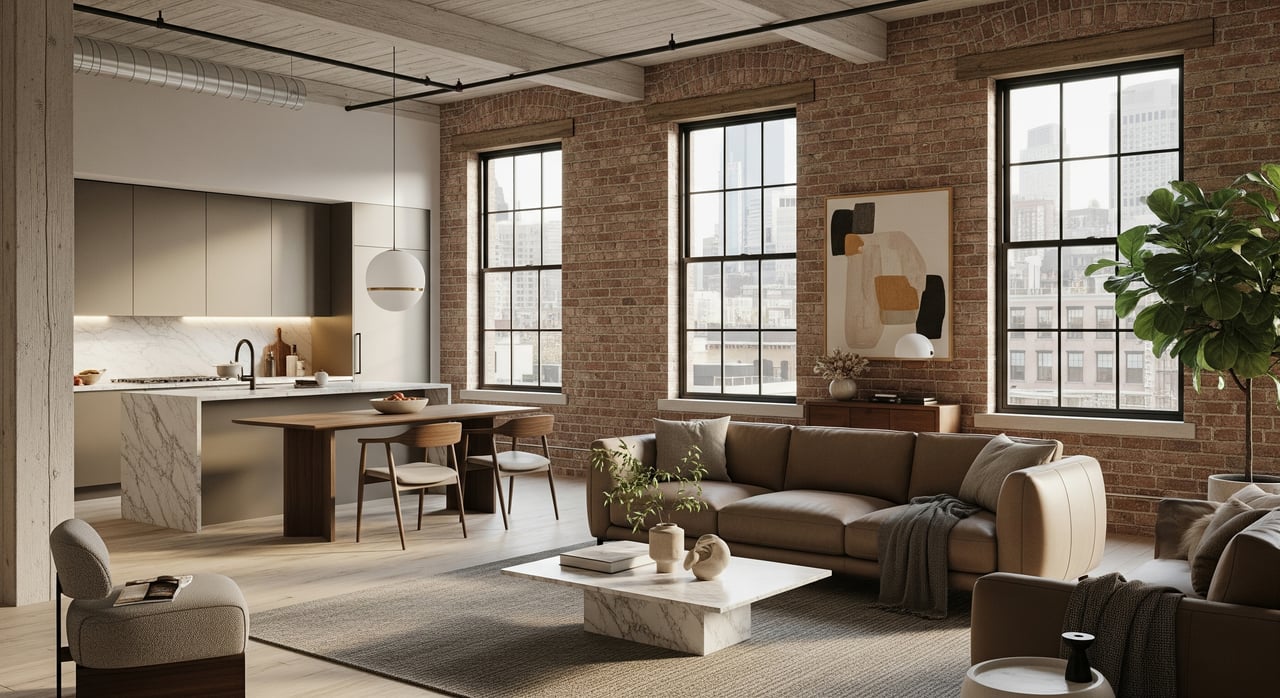
Are you preparing to list a TriBeCa loft this spring and want every showing to feel unforgettable? In a neighborhood defined by soaring ceilings, oversized windows, and open plans, the way you stage and photograph your home can make or break first impressions. You need a plan that showcases volume, light, and views while protecting your privacy. In this guide, you’ll learn practical staging moves, a media plan tuned to Q1 and Q2, and how to use Compass tools to reach qualified buyers with discretion. Let’s dive in.
What buyers expect in TriBeCa
TriBeCa buyers seek scale, clean sightlines, natural light, and refined finishes. They want open zones that feel intentional and easy to live in. Your staging should lead their eye to volume and views while showing a turnkey lifestyle.
Most lofts here feature exposed brick or beams, tall windows, and flexible floorplates. Lean into these assets. Preserve architectural character, keep circulation clear, and let the space breathe.
Stage for volume and flow
Scale-smart furniture layout
- Choose fewer, larger pieces over many small ones. Large sectionals or opposing sofas anchor living zones without clutter.
- Float seating to show circulation. Leave generous aisles so buyers feel the flow.
- Use open or clear elements where helpful. Glass or wire-frame pieces reduce visual weight.
Define zones without walls
- Use large rugs to set living, dining, and media areas. Front legs of seating should sit on the rug to ground each zone.
- Add a dedicated workspace if the footprint allows. A compact desk and task lamp show flexibility.
- Keep negative space. Empty floor around groupings emphasizes volume.
Keep sightlines to windows and features
- Face key seating toward views when possible. Avoid blocking window wells or radiators.
- Keep tall items out of primary view paths. Let windows, beams, and brick read from entry.
- Balance storage with openness. Low credenzas or built-ins can solve clutter without closing the room.
Neutral color, rich texture
- Use a cohesive palette: warm whites, soft grays, and natural woods. This keeps focus on light and scale.
- Add texture with wool, linen, leather, and metal. Texture warms the room without visual noise.
- Clean and repair exposed elements. Make beams, brick, and ironwork look intentional and high-end.
Lighting that flatters Q1 and Q2
- Layer light: ambient overheads, task lamps by seating and work areas, and accent lights for art or architectural details.
- Choose warm white bulbs around 2700–3000K. Keep color temperature consistent for photos and showings.
- Add dimmers to control mood. Multiple sources let you balance bright days and evening showings.
Art for tall walls
- Scale up. Large canvases, triptychs, or curated groupings fit vertical proportions.
- Hang so art reads well from seating and standing positions. Adjust above typical eye level if ceilings are very tall.
- Light the art. Picture lights or adjustable track reduce glare and add depth.
Window treatments that protect views
- Keep treatments minimal. Side panels, top-down shades, or motorized rollers preserve glass height.
- Use translucent shades for privacy on street-facing windows while keeping daylight.
- Color-match hardware to frames for a clean look.
Floors and rugs
- Refinish worn hardwoods so the finish looks intentional and premium.
- Choose thin-profile, large-area rugs to warm floors without trip edges.
Declutter and lifestyle cues
Remove personal items and excess furniture. Stage a tight edit of books, a few curated objects, and limited greenery. Show practical storage where you can. Built-ins or concealed solutions reassure buyers that an open plan still lives easily.
Seasonal timing: Q1 vs. Q2
In Q1, the sun sits lower and exterior trees are bare. Add warm textiles and layered light to counter winter mood. Emphasize interior warmth and clear window views.
In Q2, brighter light and new greenery boost energy. Time photos when terraces and street trees show leaf-out. Use simple planters or potted trees to signal spring without clutter.
Media plan that sells the space
Photography that respects scale
- Hire a photographer experienced with large, open interiors. Avoid heavy wide-angle distortion that misrepresents rooms.
- Shoot mid-morning or late afternoon for soft light across windows. Twilight can balance skyline and interior glow.
- Capture wide compositions for flow and tight details for character. Show beams, brick, millwork, and unique finishes.
Floorplans and virtual tours
- Provide accurate 2D floorplans with dimensions and a north arrow. Buyers need orientation and scale.
- Add a 3D walkthrough so remote buyers can understand volume and circulation.
- Use a 60–90 second cinematic video to convey flow and views beyond stills.
Aerials and skyline context
- Drone use in Manhattan faces strict rules. Verify FAA and local constraints before planning aerials.
- If drones are not feasible, capture rooftop angles, elevated vantage points, or strong interior-to-exterior view shots.
Virtual vs. in-person staging
- In-person staging reads proportions best in large, empty lofts. Use virtual staging only as a complement and disclose where used.
Digital rollout and targeting
- Sequence the launch: Coming Soon teasers, then full gallery, 3D tour, and video.
- Target digital ads to high-intent feeder markets and retarget visitors who view the property page.
- Share curated broker materials like digital brochures and property websites to seed qualified showings.
Showings with discretion
- Favor broker-only previews and private showings by appointment for high-discretion listings.
- Schedule showings when natural light is strongest in the main rooms.
- Coordinate building policies for elevator use, common areas, and publicity.
Compass tools for discreet exposure
Compass Concierge can fund pre-sale improvements and staging with repayment at closing, which can elevate presentation without upfront costs. Confirm eligibility and timing with a local Compass representative.
Compass marketing includes in-house creative, property websites, professional media, and targeted digital campaigns. High-resolution photo galleries, 3D tours, and private listing portals support discreet buyer engagement.
For controlled exposure, use Coming Soon or private listing workflows. Collaboration tools allow agents to share curated materials with vetted buyers and select brokers while limiting broad public traffic.
Building rules: plan ahead
Many TriBeCa units are co-ops with stricter rules on open houses, deliveries, and alterations. Confirm permissions before scheduling staging, installs, or events. Early coordination prevents last-minute delays and protects common areas.
4-week prep plan for Q1/Q2
4–6 weeks out
- Engage your agent and confirm building permissions.
- If using Concierge, schedule estimates and align on scope and ROI.
- Book the photographer, videographer, 3D provider, and stager.
2–3 weeks out
- Install staging furniture and art. Set lighting scenes and dimmers.
- Complete repairs, refinishing, and deep cleaning.
- Run test photos to check light and color temperature.
1 week out
- Execute final photo, video, and 3D tour. Capture detail shots and views.
- Produce floorplans and finalize marketing materials.
Listing week
- Release Coming Soon or private materials as planned.
- Begin broker outreach and targeted digital ads.
Who to hire
- Luxury stager experienced with loft proportions.
- Architectural interior photographer comfortable with tall windows and ceilings.
- 3D tour provider and a videographer who can capture flow and views.
- Lighting specialist or electrician for fixtures and dimmers.
- Local broker with TriBeCa luxury experience and Compass tools for marketing and discretion.
Measure and adjust post-launch
Track qualified showings, broker feedback, web gallery views, time on market, and offers. If buyers misread scale or flow, adjust quickly. You can edit art scale, remove or add furniture, or tweak lighting to sharpen the story.
Work with a proven TriBeCa advisor
You deserve a sale that is polished, discreet, and data-driven. The W Team blends market analysis with concierge execution to stage, market, and show your loft with precision. We integrate Compass Concierge, private showings, and targeted digital distribution to reach qualified buyers while protecting your time and privacy. Ready to move? Request a private consultation with The W Team.
FAQs
How much furniture is too much for a TriBeCa loft?
- Use fewer, larger pieces sized to the space. Avoid small items that crowd zones or break sightlines.
Should I cover exposed beams, pipes, or brick before listing?
- No. Clean and highlight authentic elements. Buyers value character when it looks intentional and high-end.
Do I really need large-scale art for tall walls?
- Strongly recommended. Large works or curated groupings fit vertical proportions and help photos read correctly.
Which lighting color temperature photographs best in winter?
- Warm white around 2700–3000K with consistent bulbs throughout. Add dimmers to fine-tune mood for photos and showings.
Is drone photography realistic for Manhattan listings?
- Often not due to FAA and local rules. Use rooftop or elevated vantage points and strong interior-to-exterior views instead.
Can Compass Concierge cover staging costs for my loft?
- Yes, if eligible. Concierge can fund staging and improvements with repayment at closing. Confirm program terms and timing early.
Do co-ops limit open houses or staging deliveries in TriBeCa?
- Frequently. Confirm building policies for showings and logistics early to avoid scheduling issues.